I definitely had an amazing time at the AETMET FAM Trip Asian Triple Delight 11-16 August 2024 with Tourism Authority Thailand KL recently…
It was an amazing experience getting to visit and explore three notable cities including a trip to the neighbouring country of Lao PDR
So here are some of the amazing places we visited….
Songkhla –
Kor Hong Hill
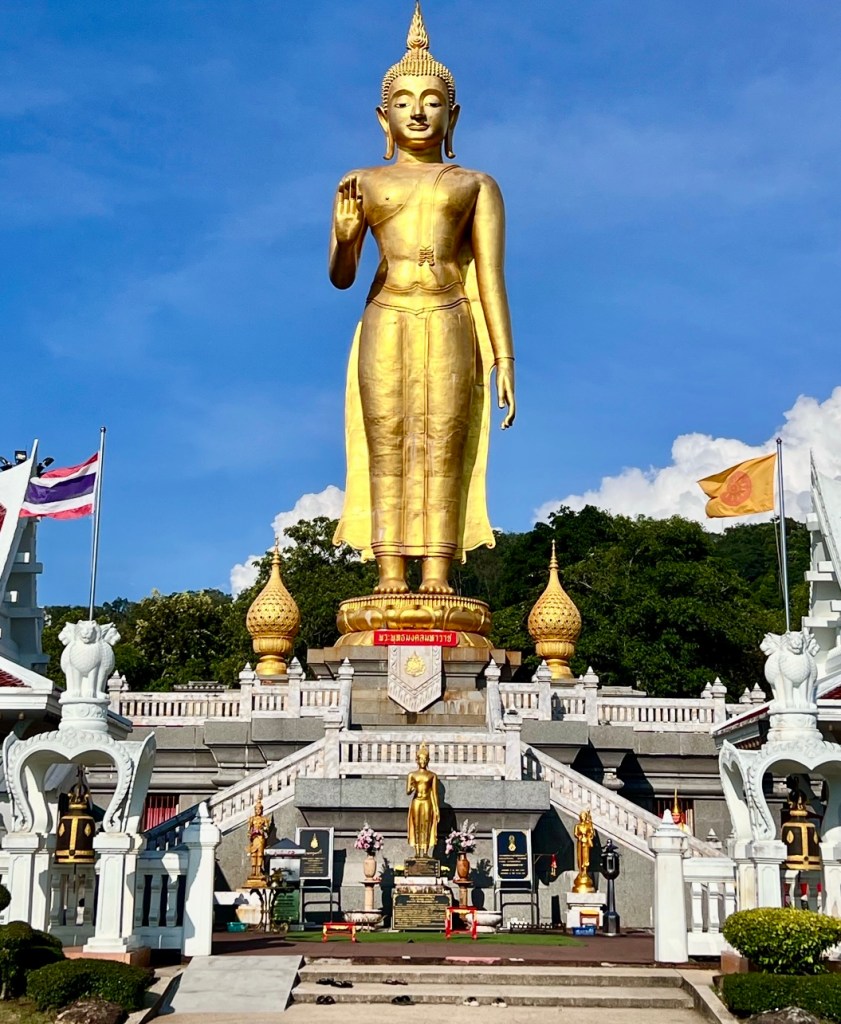
Khohong Hill is a lovely place to visit in Hat Yai. Here you can enjoy the view of Hat Yai… The giant golden Buddha statue which was built for King Bhumibol, the 9th king of Thailand is 9 metres tall…
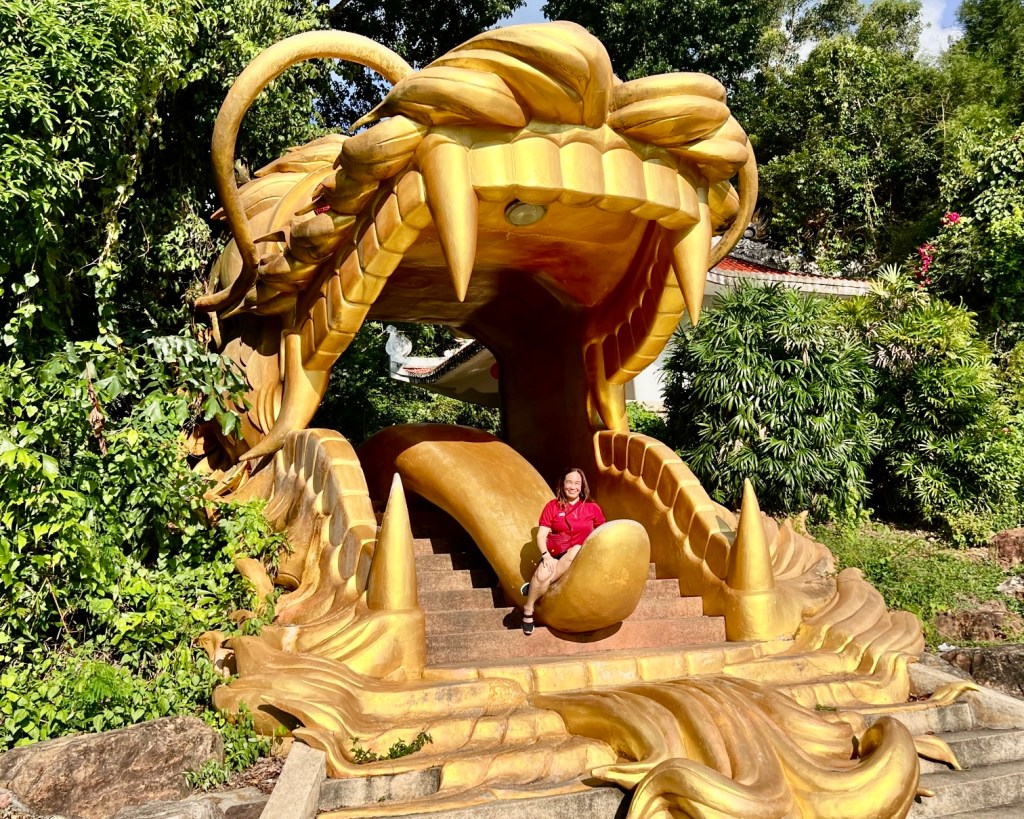
and you can climb up or down the stairs for some adventure and amazing sights ending at the Golden Dragon!!!
Rongpoon Night Market Hatyai
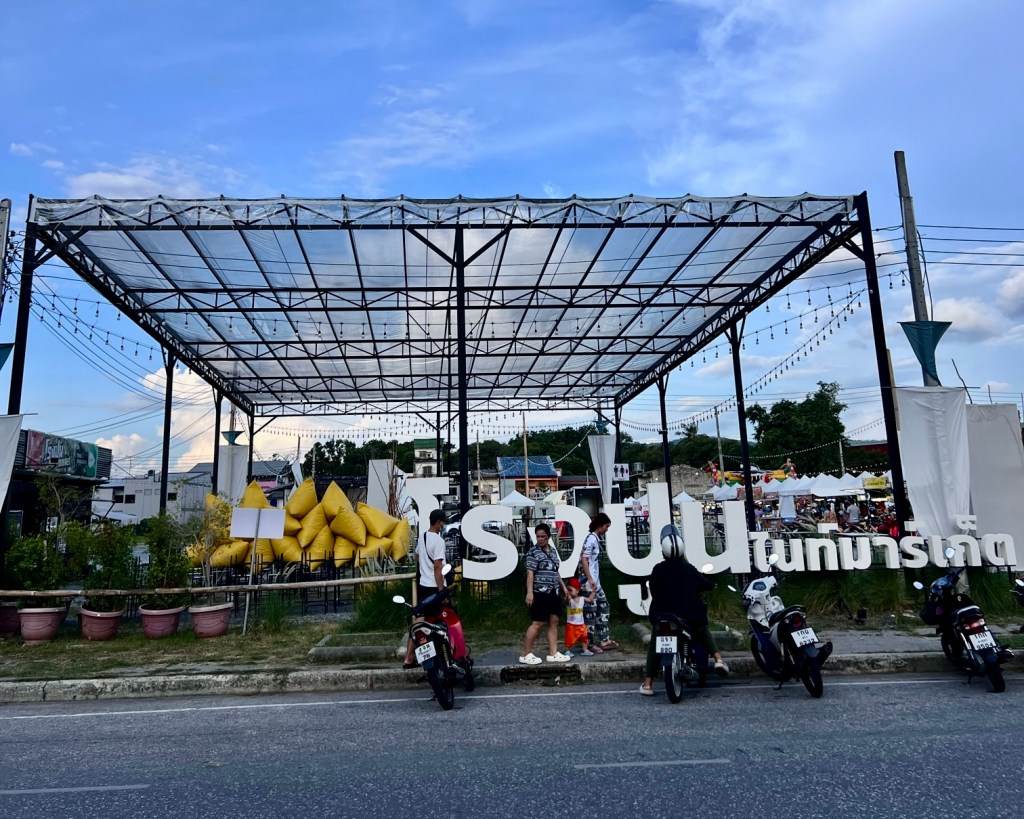
Rongpoon Night Market is a new local night market, somewhere in between Hat Yai and Songkhla Old Town away from from tourist spots.
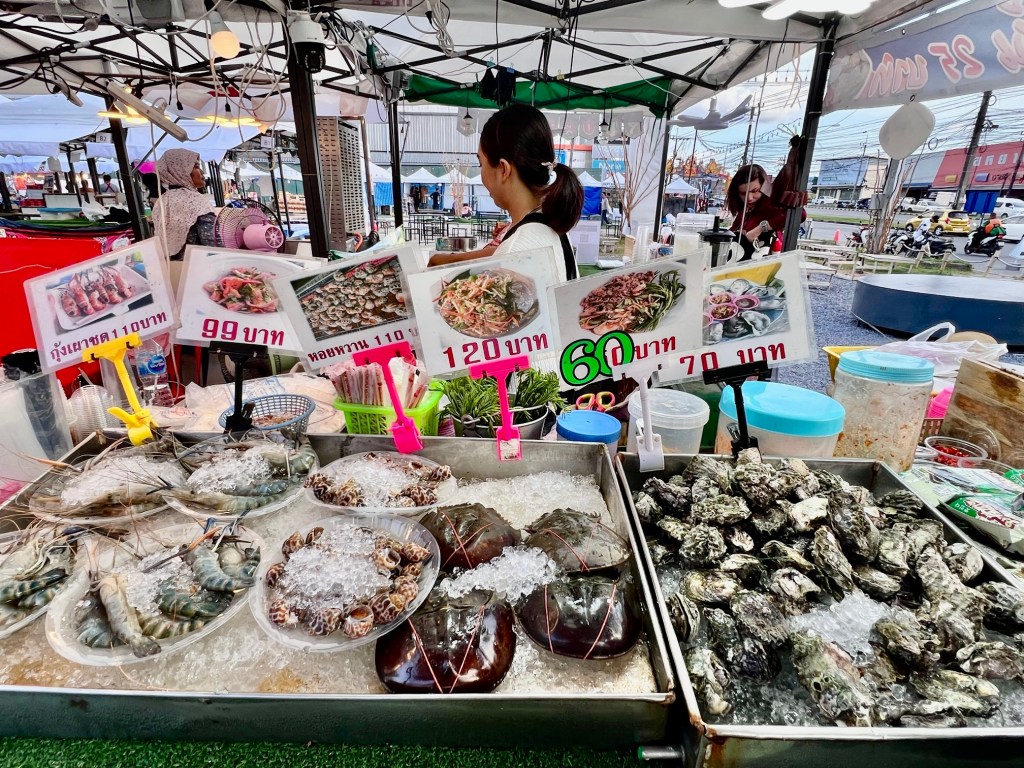
You can find a wide variety of cheap price, delicious food, good vibes with live band.
Rongpoon Night Market Thung Yai Road , Hatyai, Songkhla 90110
Samilah Beach
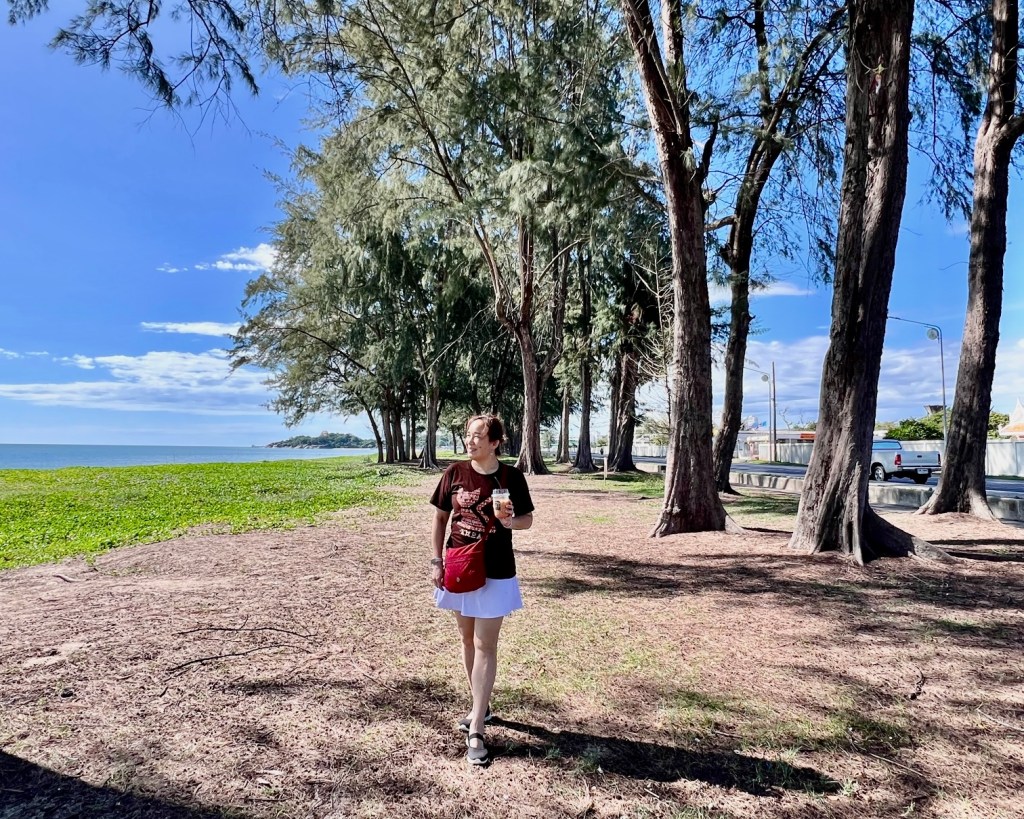
Most of tourists who came to Hat Yai will visit Samila Beach. Though there is a lot of tourists, Samila Beach is well taken care of.
Samila beach is a nice place to stroll on the beach itself or on the small streets besides.. You can find food trucks selling food and drink in the morning for breakfast, souvenir shops and ponies for hire if you feel like a bit of horse riding.
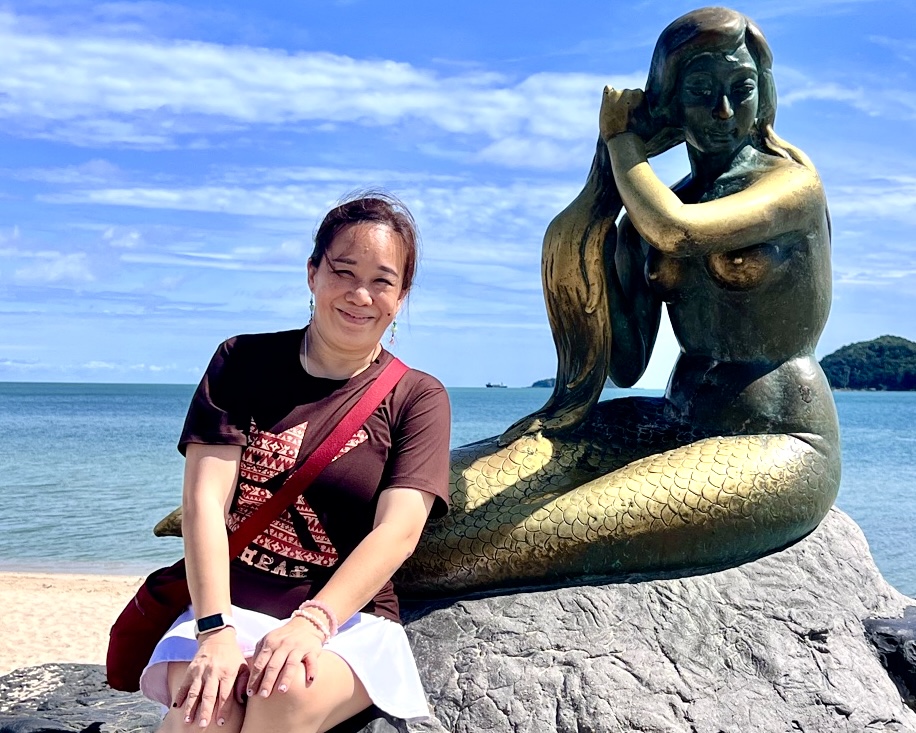
On the beach, there is a statue of a mermaid sitting on a rock called “Ngueak Thong”, which is the symbol of this beach.
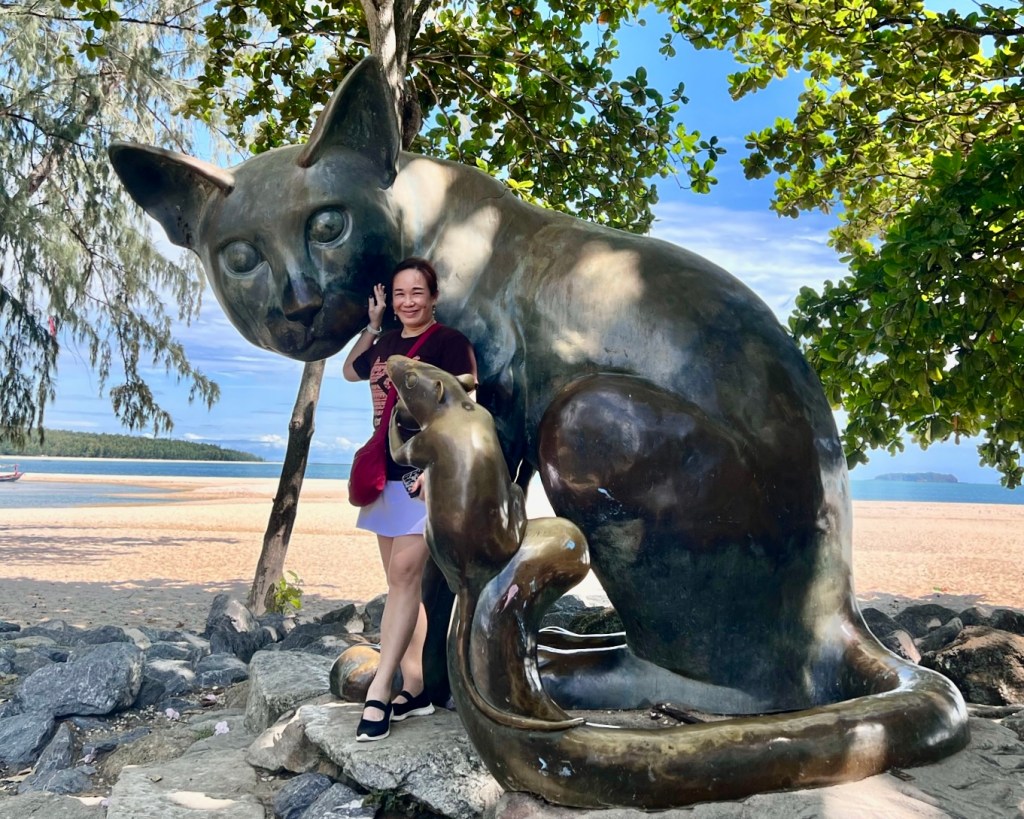
Not far from the mermaid statue is a cat and rat statue, which tells the legend of Ko Nu and Ko Maeo, the islands that can be clearly seen from Samila Beach.
Udon Thani –
Thai-Chinese Cultural Center
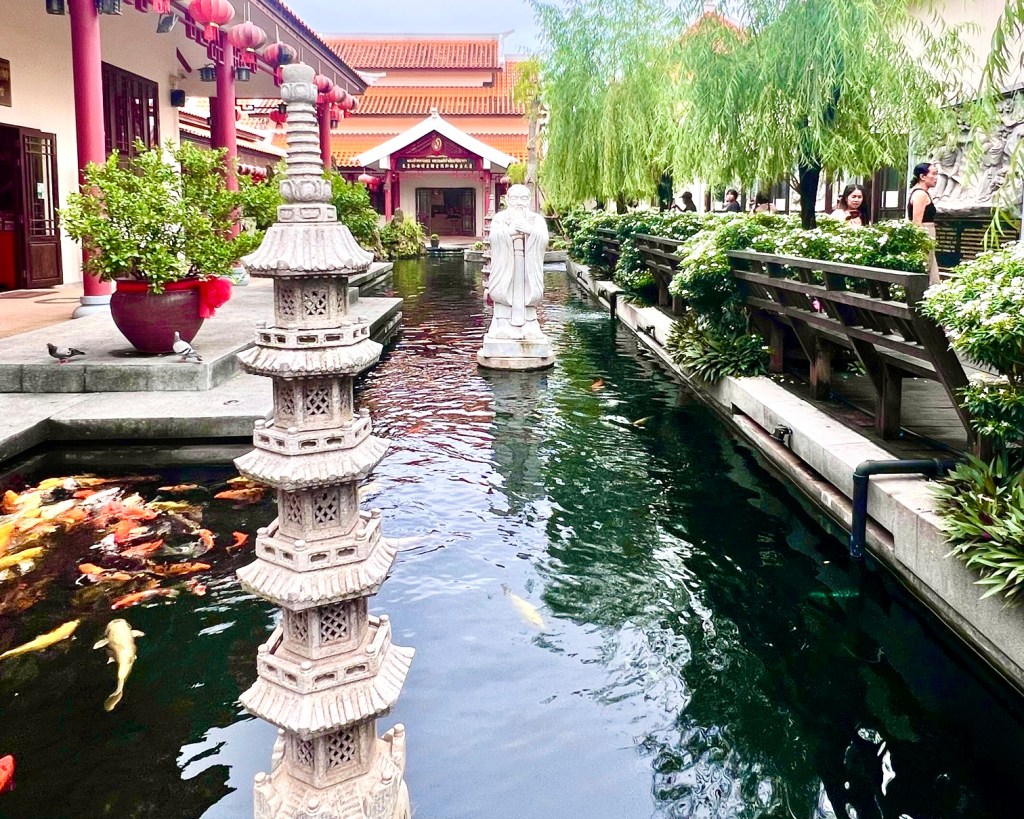
The Thai-Chinese Cultural Center in Udon Thani is an interesting and pretty place to visit… stepping foot inside it feels like I am in some nobleman’s mansion in China – with it’s architecture – the Chinese pavilion with Chinese lanterns and a the carp pond in the middle and even a dragon shrine….
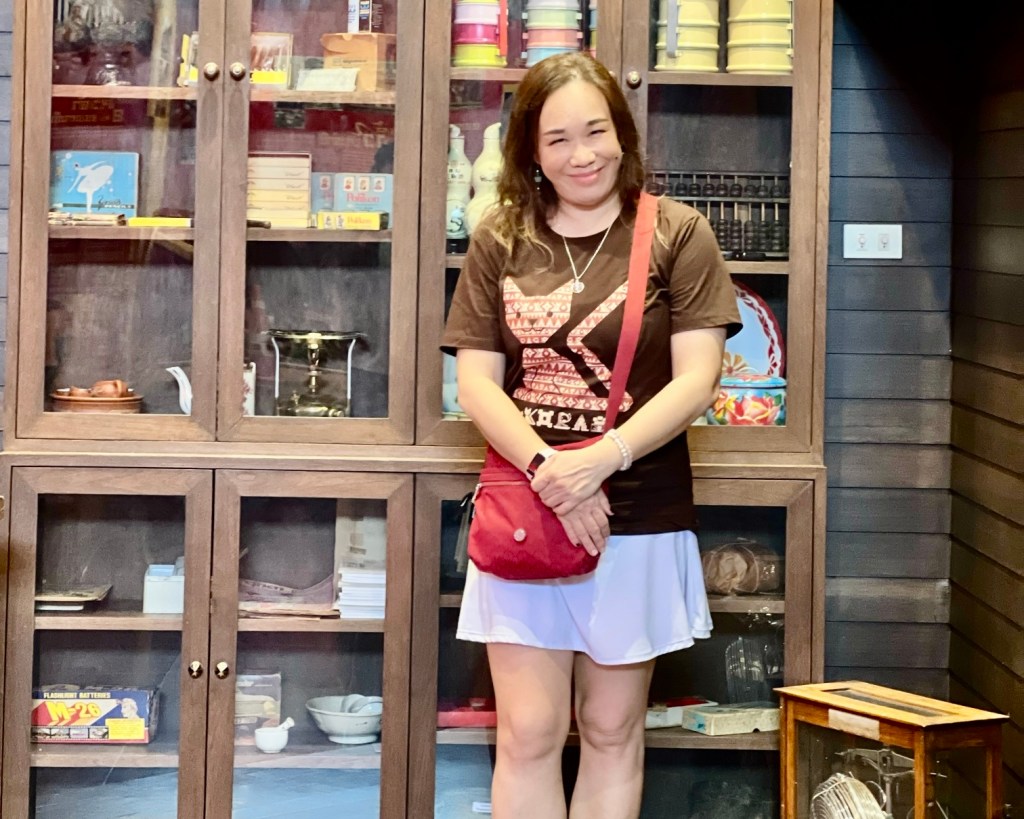
There is also a multifaceted ‘moral’ museum, explaining the history how the Chinese community started and prospered in Udonthani…. As well as a souvenir shop and even cafe….
UD Town Market
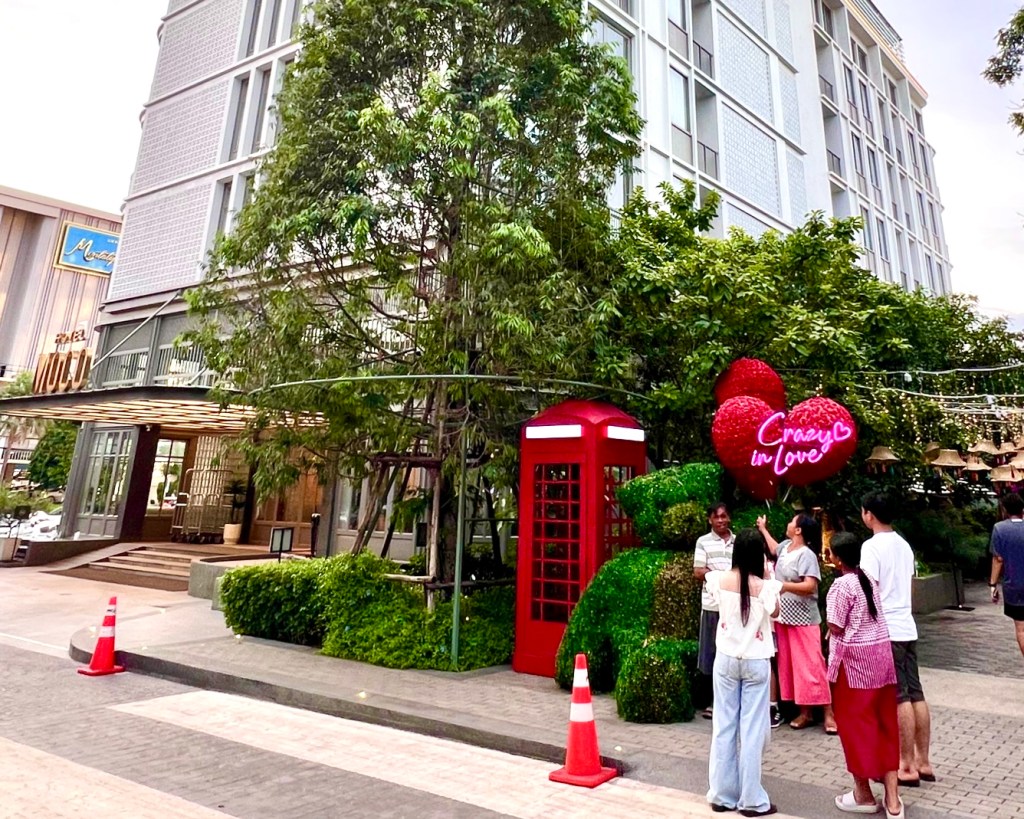
UD Town Market is a must visit place especially in the evening with colored lights and decorations. There’s a night market there that opens in the evening selling accessories, clothing, jewelleries and food!!! Lots and lots of food in the centre of UD Town Shopping Center, which is the first open-air mall in Udon Thani
Sky Walk at Wat Pha Tak Suea
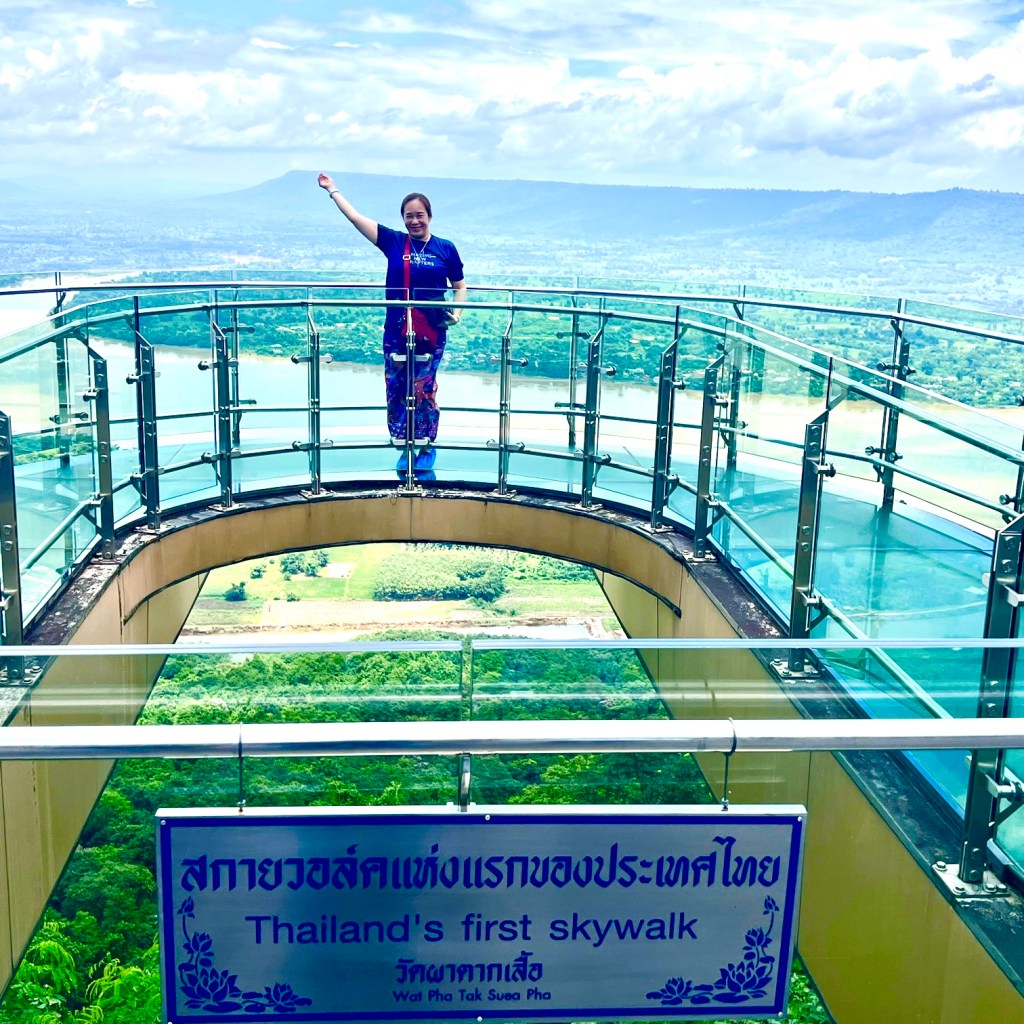
I did enjoy this small but impressive, glass Sky-walk (with expansive views of the breathtaking Mekong River out to neighbouring Lao PDR), in the province of Nong Khai, Northeastern Thailand.
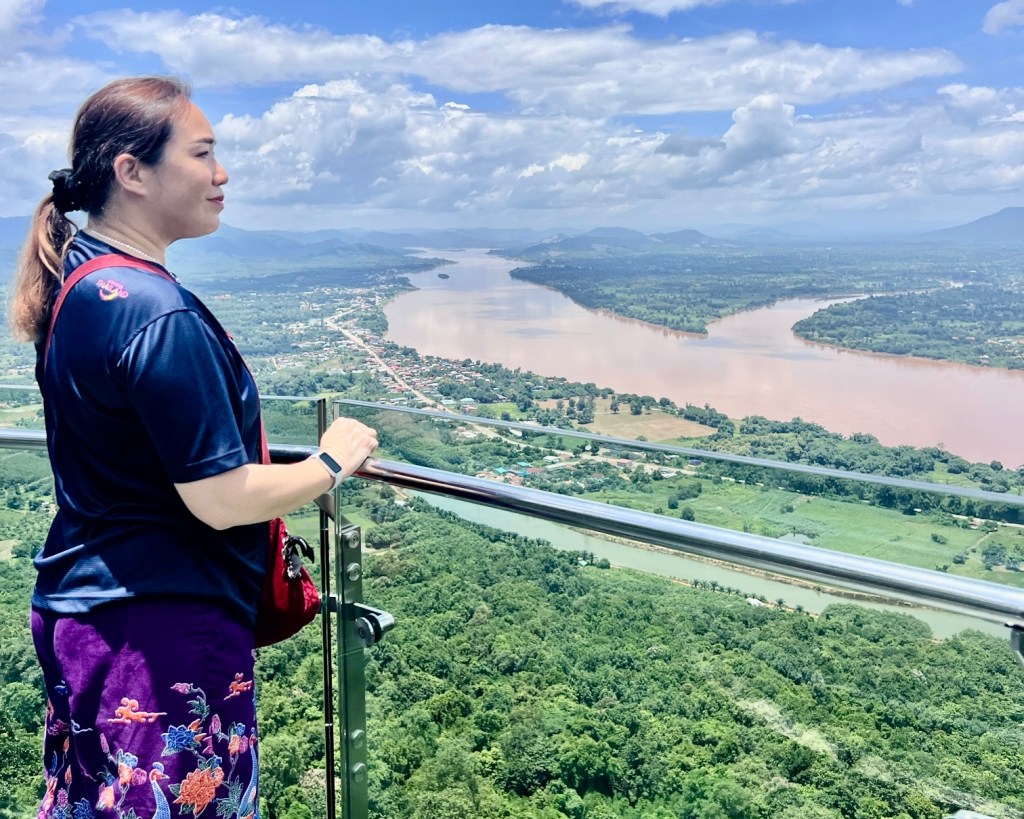
You’ll have to pay 20 bahts for some shoe wrap if you want to step out on the Sky walk….
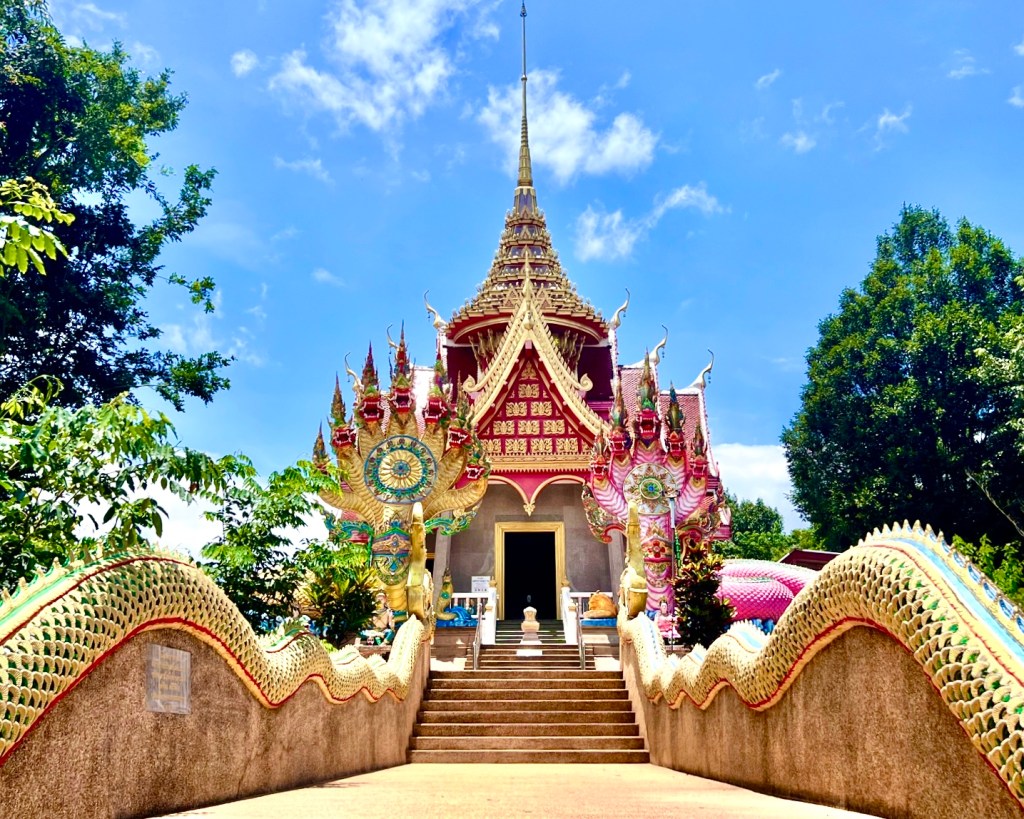
Wat Pha Tak Suea is also magnificent with the naga and nagi guarding it’s entrance
Wat Pa Phu Kon
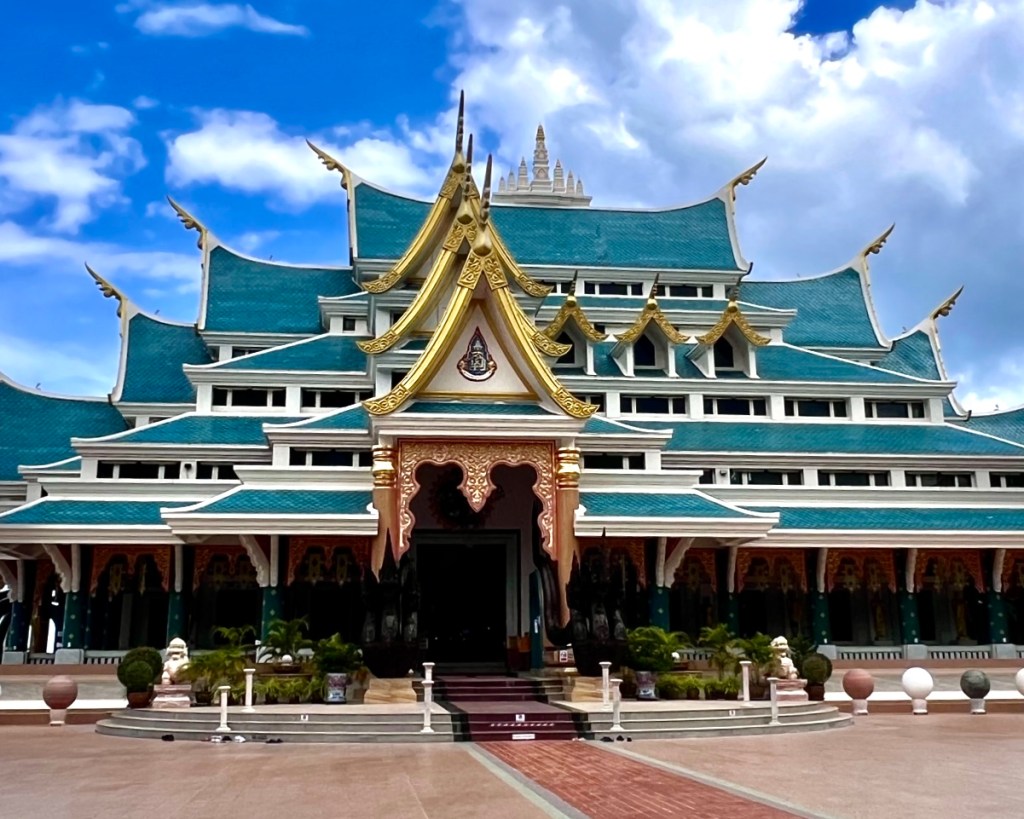
Located on a hilly woodland in a remote part of Na Yung–Nam Som National Park, some 126km from Udon Thani City, is Wat Pa Phu Kon, probably the most stunning temple in Issan; certainly the most striking with its aqua blue roof.
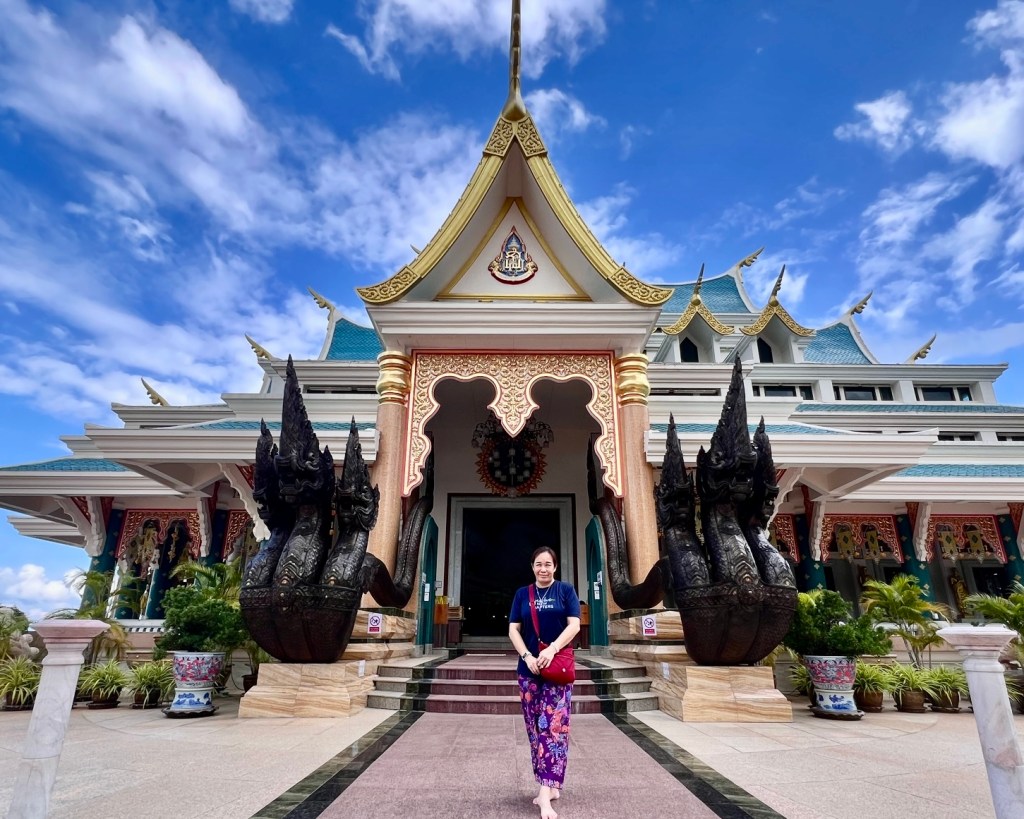
During the day its turquoise-green roofs shimmers the sunlight back through the forest like sunbursts off a mountain stream. At night the temple’s warm yellow lights glow brilliantly against the blackened mountains. Thus creates the illusion of a ship floating across dark ocean waters.
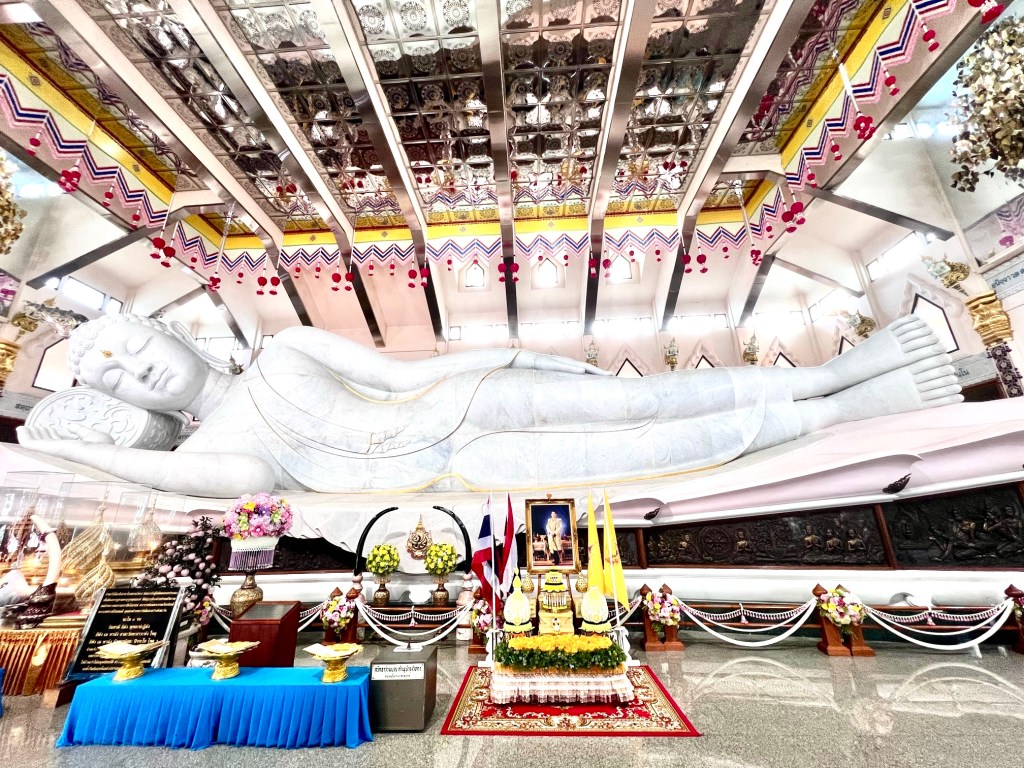
The interior of the temple just as breathtaking because in the main assembly hall, you will find a 20m statue of a marble Reclining Buddha….
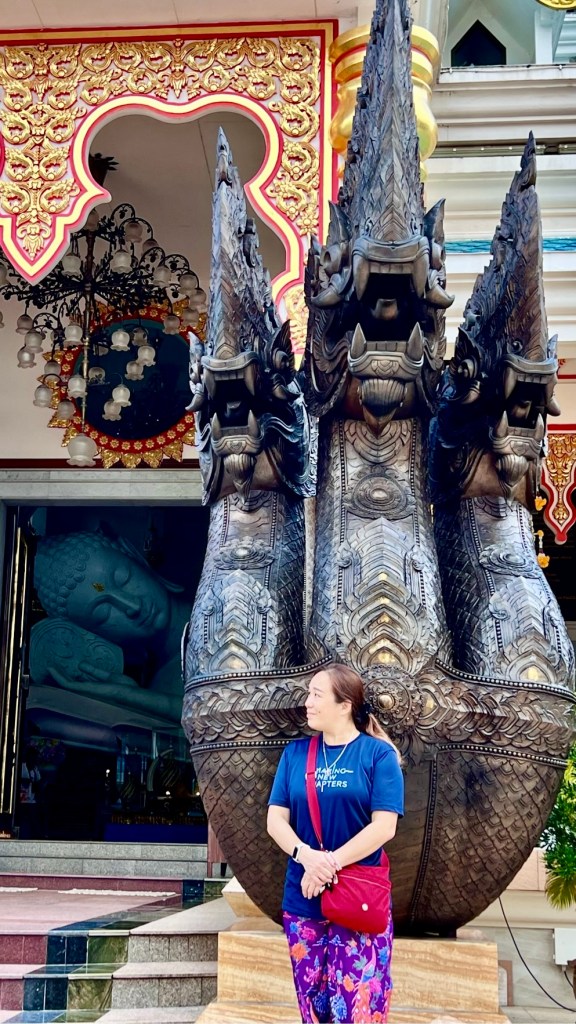
The statue was crafted entirely of Italian Carrara White Marble with the marble sourced from the same quarries as Michelangelo’s David, Sheikh Zayed Mosque and Marble Arch London. On auspicious occasions, dappled light shines through the stained glass ceiling. This light casts an array of mesmerizing patterns over the Buddha statue.
National Museum of Ban Chiang (UNESCO World Heritage)
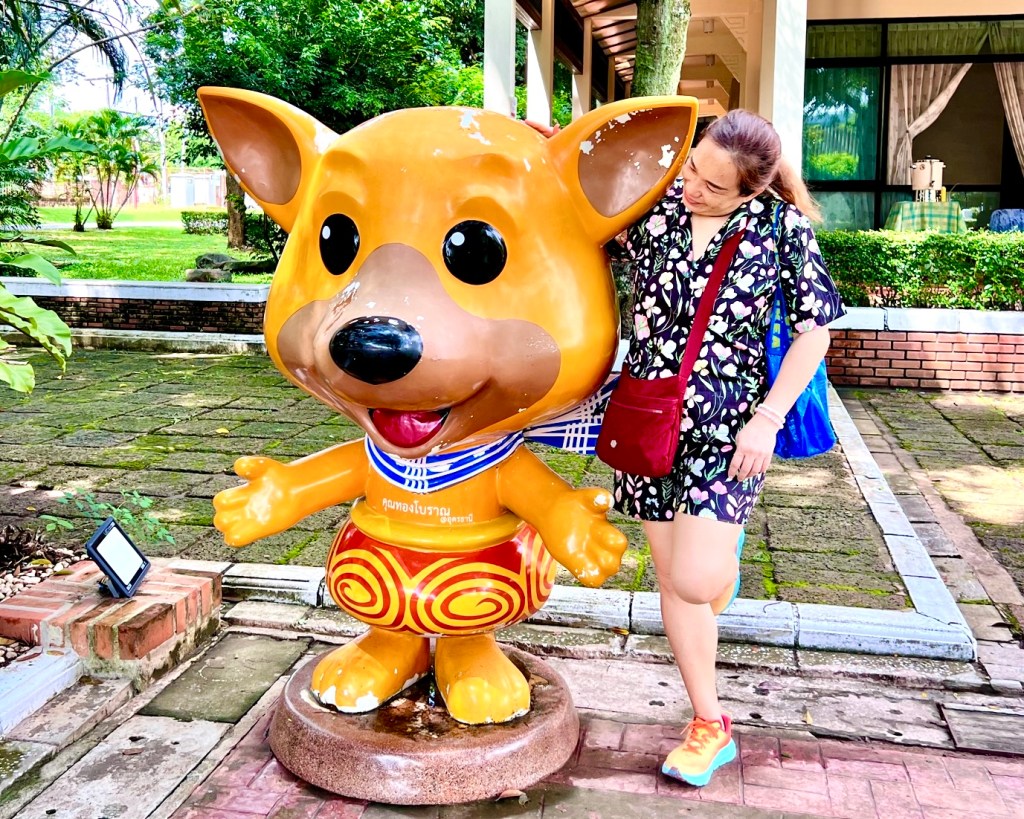
Ban Chiang Archaeological Site, is located in Nong Han district of Udon Thani… It has been identified as a UNESCO World Heritage Site since December 1992…
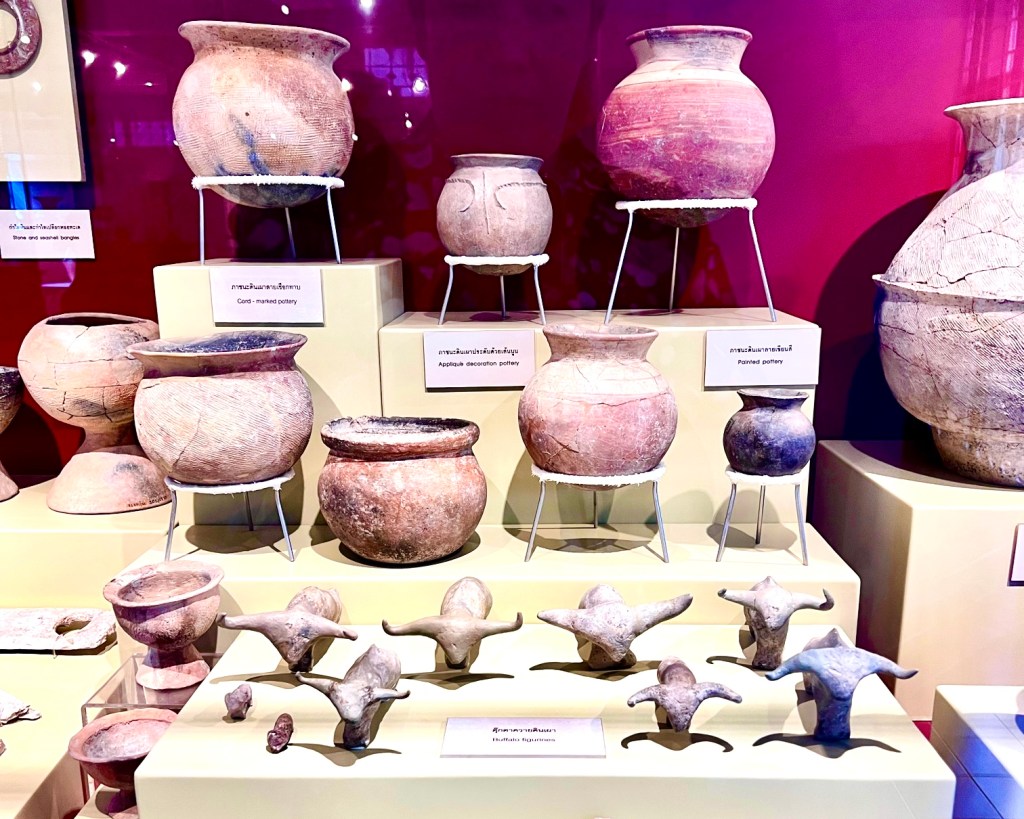
The museum has two parts to it. The first part is for antiques associated with the ancient culture of Ban Chiang where you can find ancient tools, household items, artifacts, and pottery items, many of which are over 4,000 years old.
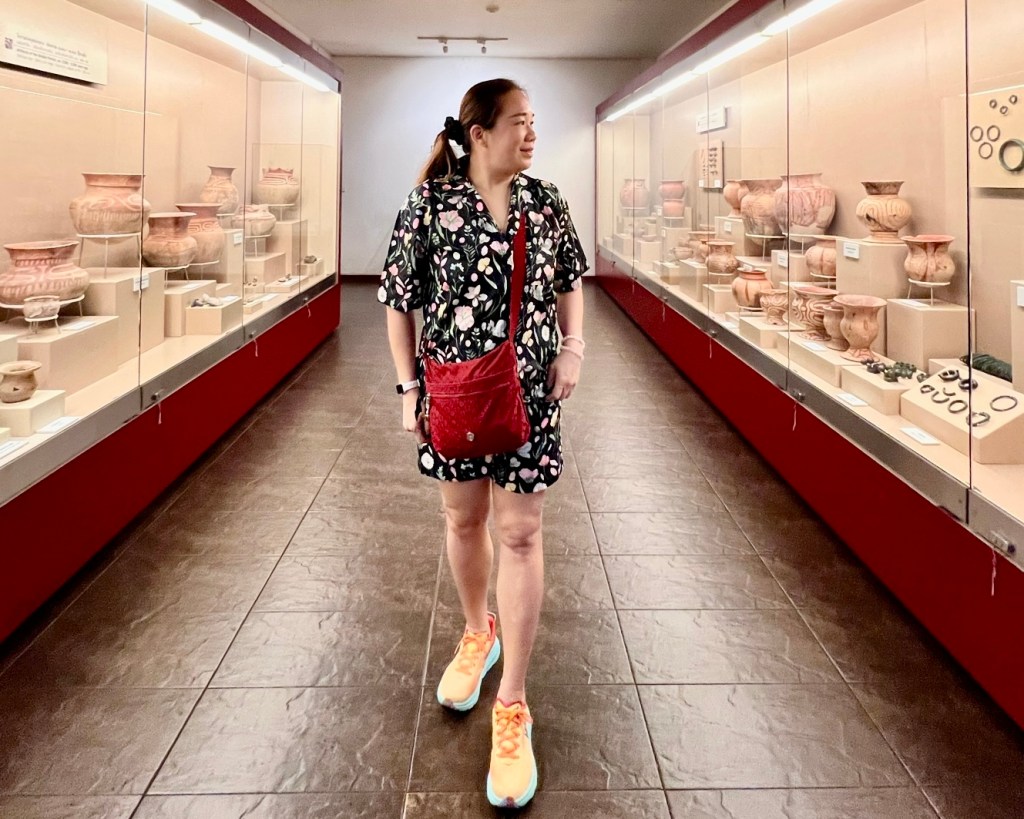
All artifacts are showcased very beautifully so that visitors can get as much information as possible about the ancient culture.
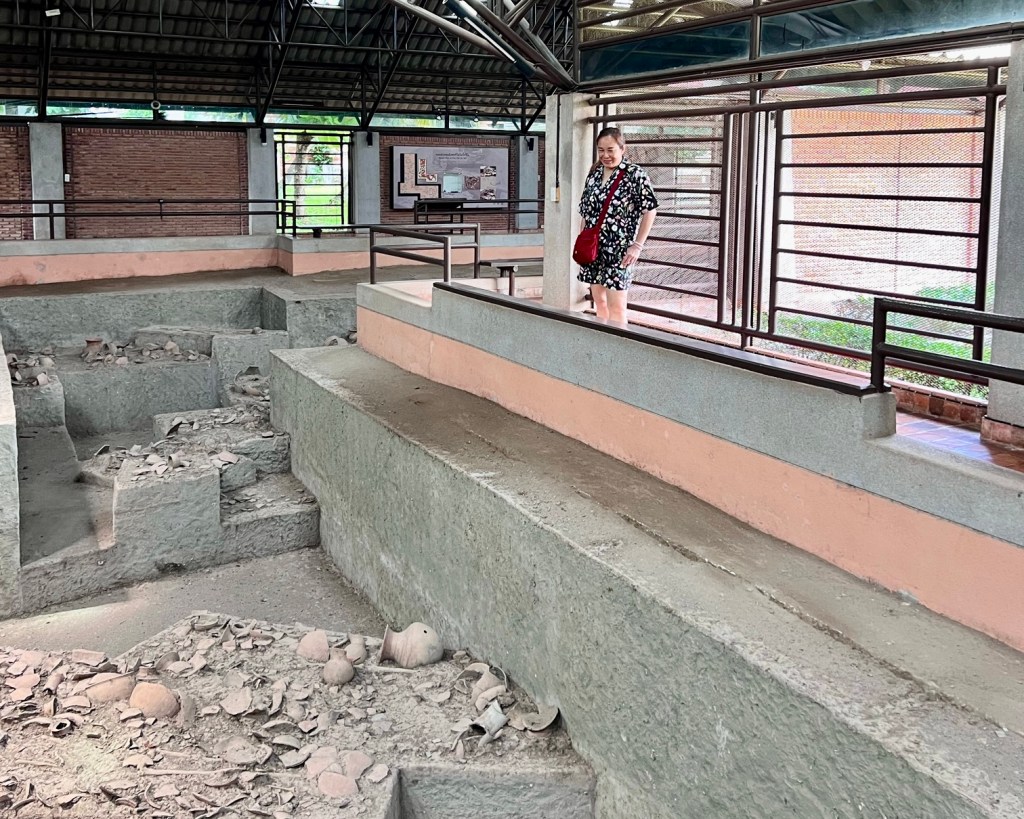
The second part of the museum is an open-air one and it is in the compound of Wat Po Si Nai. Here you can see the archaeological excavation sites and these sites will give you an idea how the artifacts were buried with the dead.
A must visit in Udon Thani!!!!
Vientiane – Vientiane is the capital city of Lao PDR and borders Thailand via Nongkai and the First Thai–Laos Friendship Bridge….
Phra That Luang
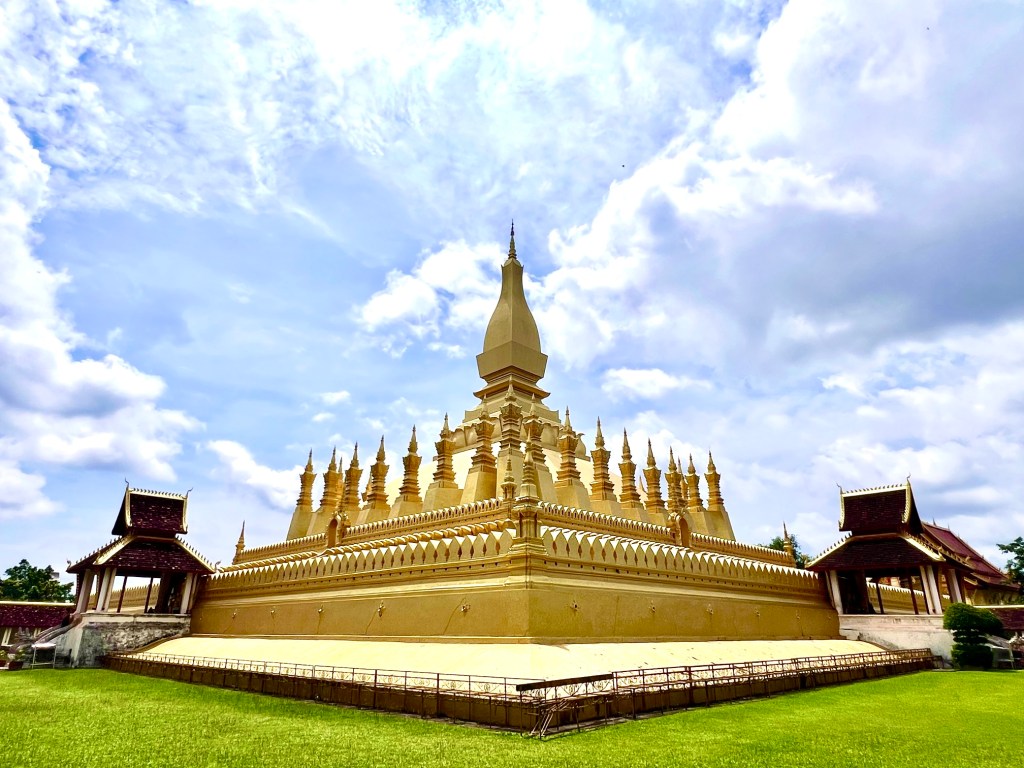
Standing right in the center of Vientiane, Pha That Luang Stupa is one of the must visit places in Vientiane… This awe-inspiring structure, also known as the Great Sacred Stupa, stands tall as a symbol of national pride and cultural heritage.
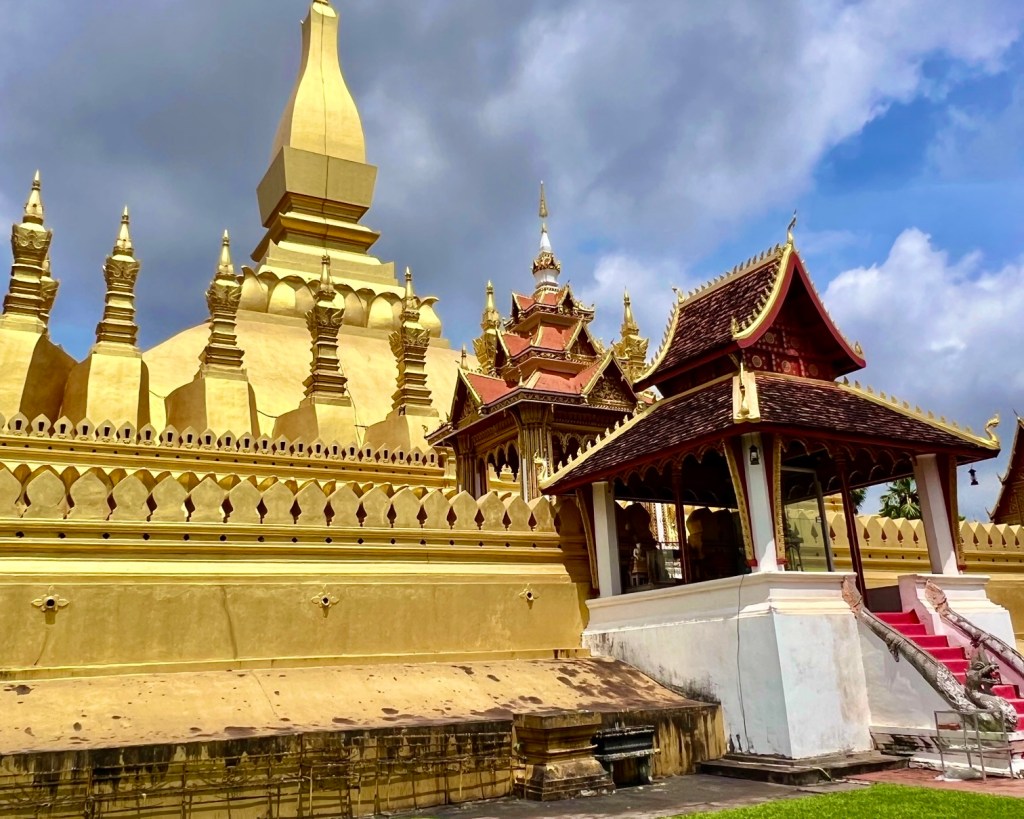
The original Pha That Luang Stupa was believed to have been built by the Indian Emperor Ashoka, who sent missionaries to spread Buddhism across Southeast Asia.
It is also believed that the stupa enshrines a relic of the Buddha, making it an important pilgrimage site for Buddhist devotees.
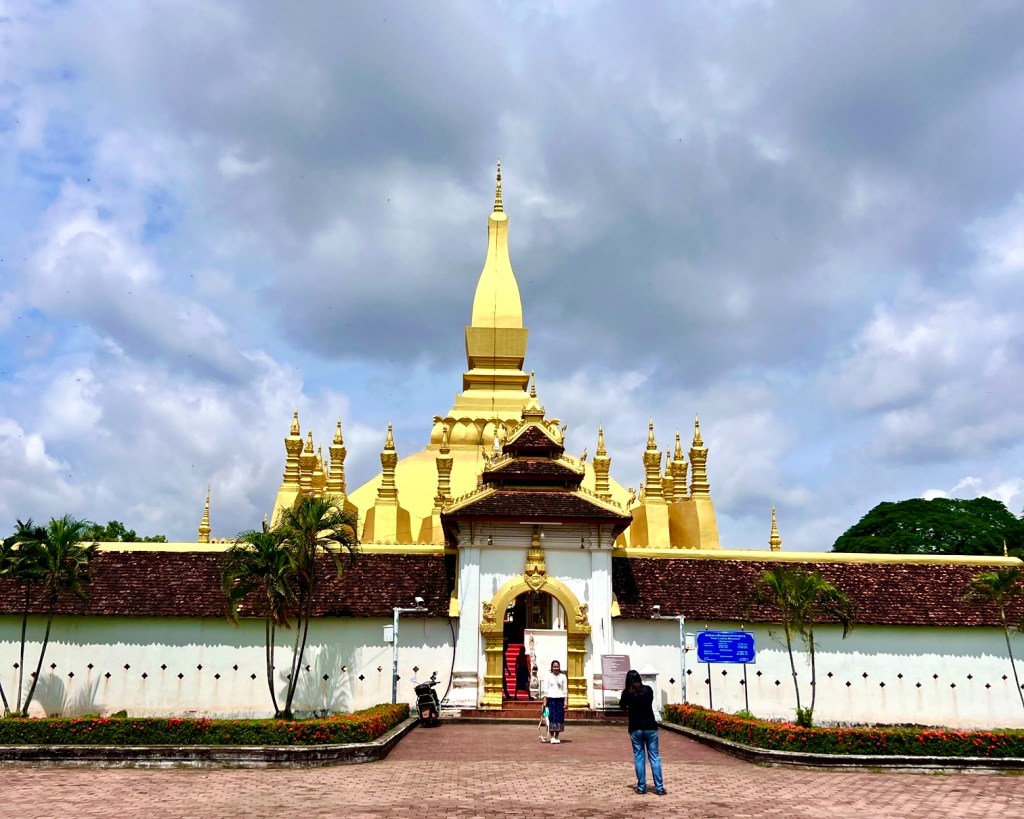
The most significant reconstruction took place in the 16th century under the rule of King Setthathirat. As the legend goes, King Setthathirat decided to move his capital from Luang Prabang to Vientiane marking the construction of Pha That Luang in 1566
Victory Monument / Patuxai
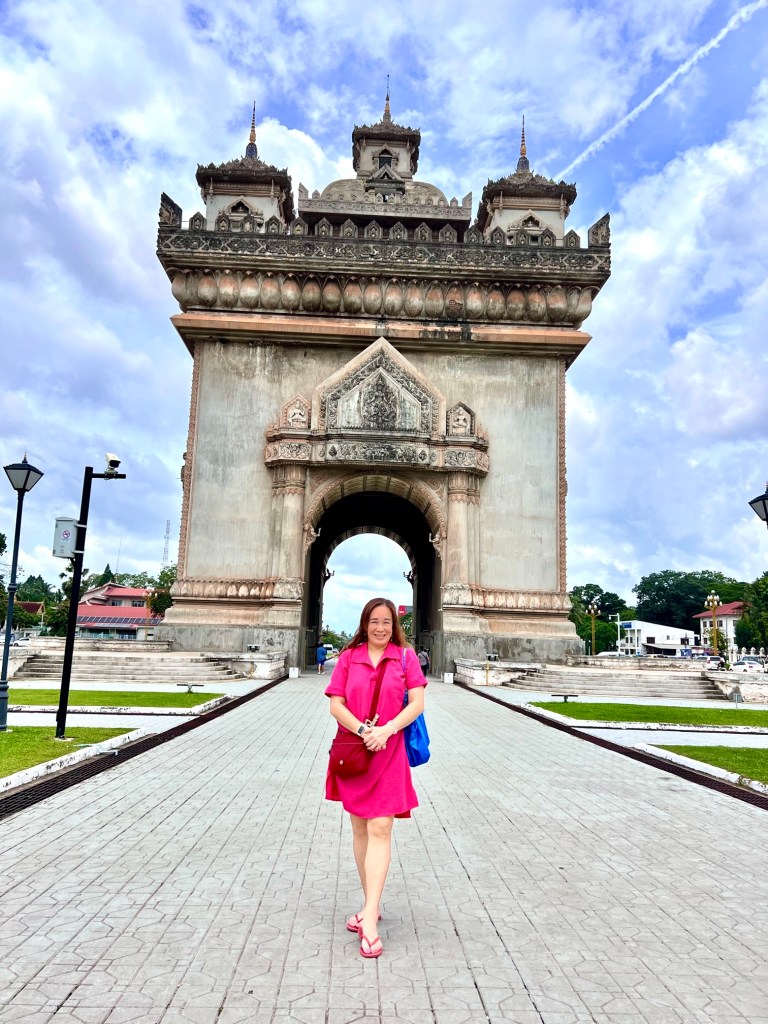
Patuxai Monument is an important monument for the people of Laos to commemorate their independence. It looks like the Arc de Triomphe but you can go up the top to get a breathtaking view of Vientiane.
“Patuxai” translates to “Gate of Triumph” or “Victory Gate” in English and the design of Patuxai was built with stones from the original Wat Phra Keo temple honouring and preserving Laotian cultural heritage. The seven-headed Nāga statues guarding the entrance of Patuxai have their roots in Laotian mythology, symbolizing a spiritual connection to the national culture
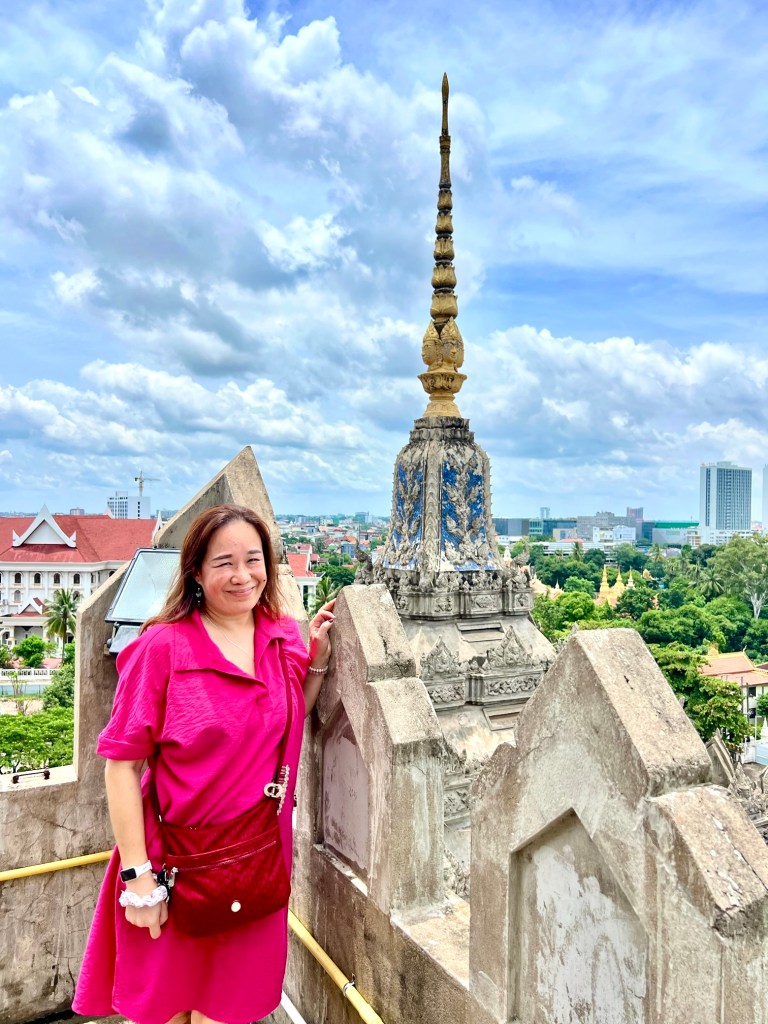
This unique monument features 7 main floors and 2 secondary floors, with each side measuring 24 meters wide by 55 meters high, creating an imposing appearance.
The Prime Minister’s office is just at the side of the Patuxay Monunent
Overall, it’s a great spot for both history enthusiasts and those looking for a scenic experiences
Wat Si Muang
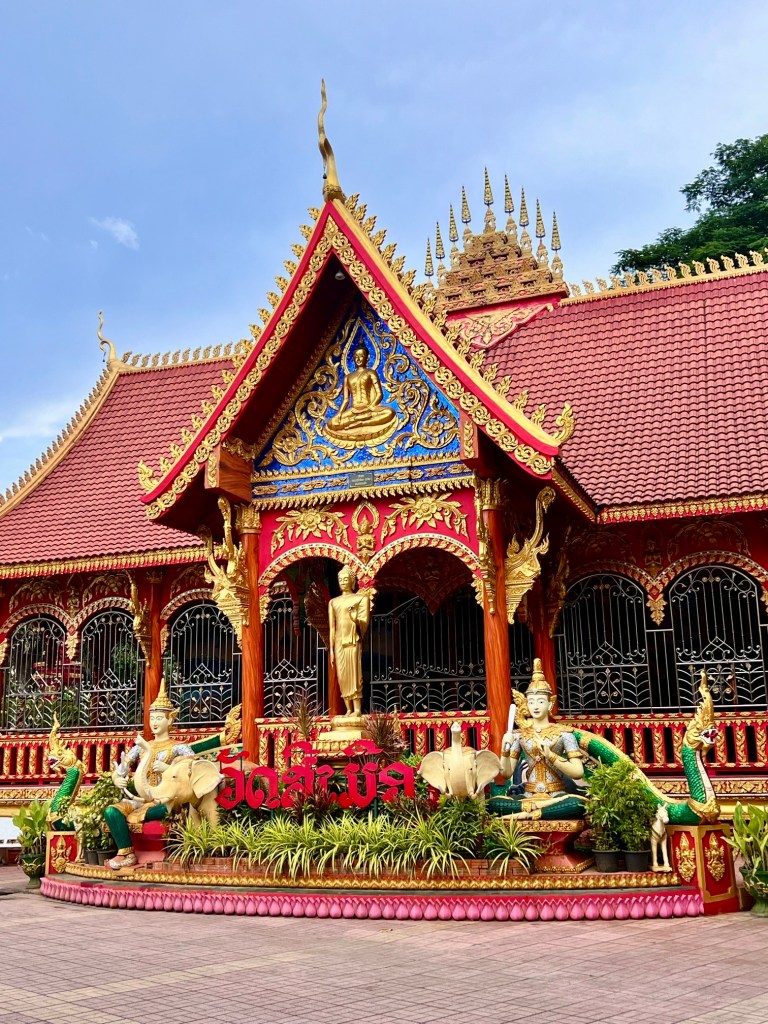
Wat Si Muang is one of the oldest and best-known temples here, most popular among locals.
In the past, Wat Si Muang was once associated with royal rituals, sometimes hosting coronation ceremonies. The popular myth claims that it was named after a local pregnant woman, Si, who sacrificed her own life to call upon an ancient guardian spirit to protect the city from an oncoming flood.
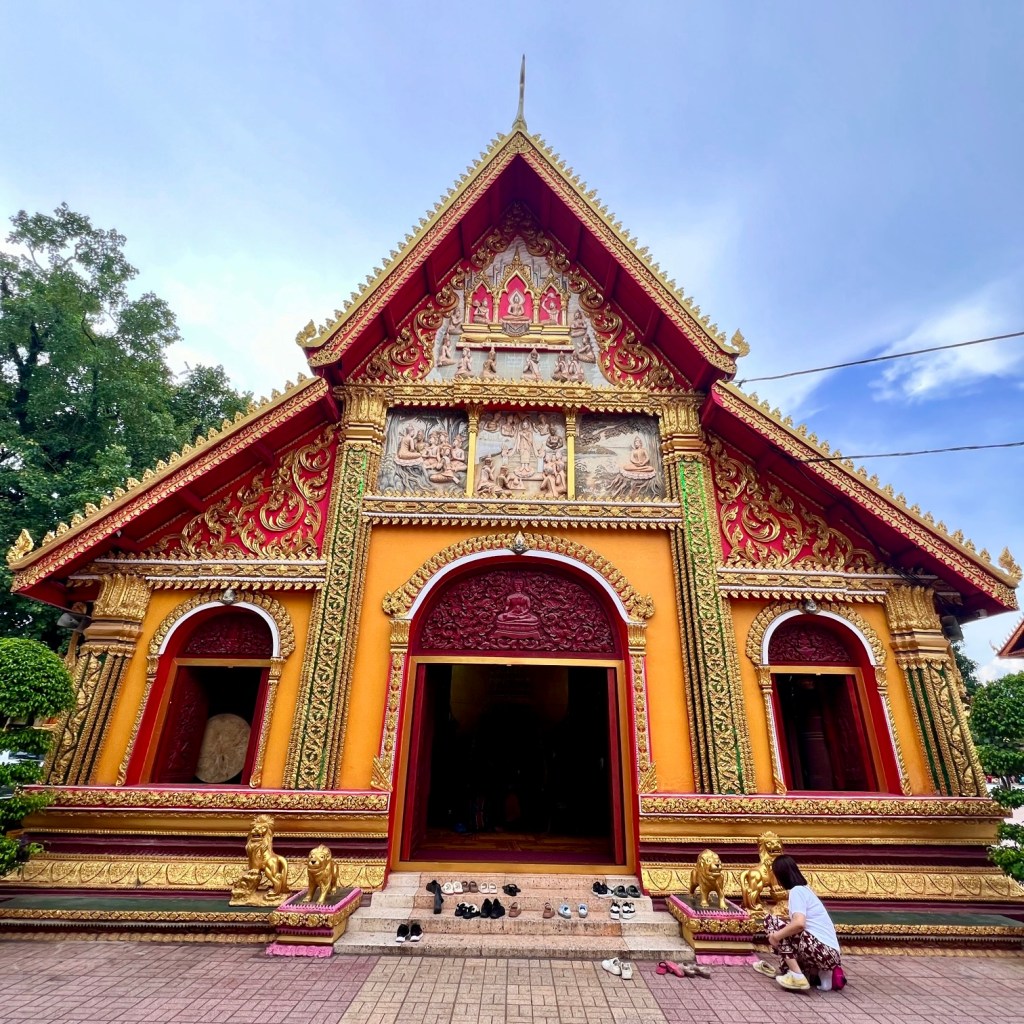
The temple itself houses a copy of the Emerald Buddha statue and a sacred stone pillar called the Lák Méuang, an ancient monument believed to enshrine the guardian spirit of the city, as well as several mini-shrines throughout the premises, some gorgeously kitsch. Right outside the temple also stands an imposing statue of King Sisavangvong, the first ruler of the Kingdom of Laos.
Ho Phra Keo Museum
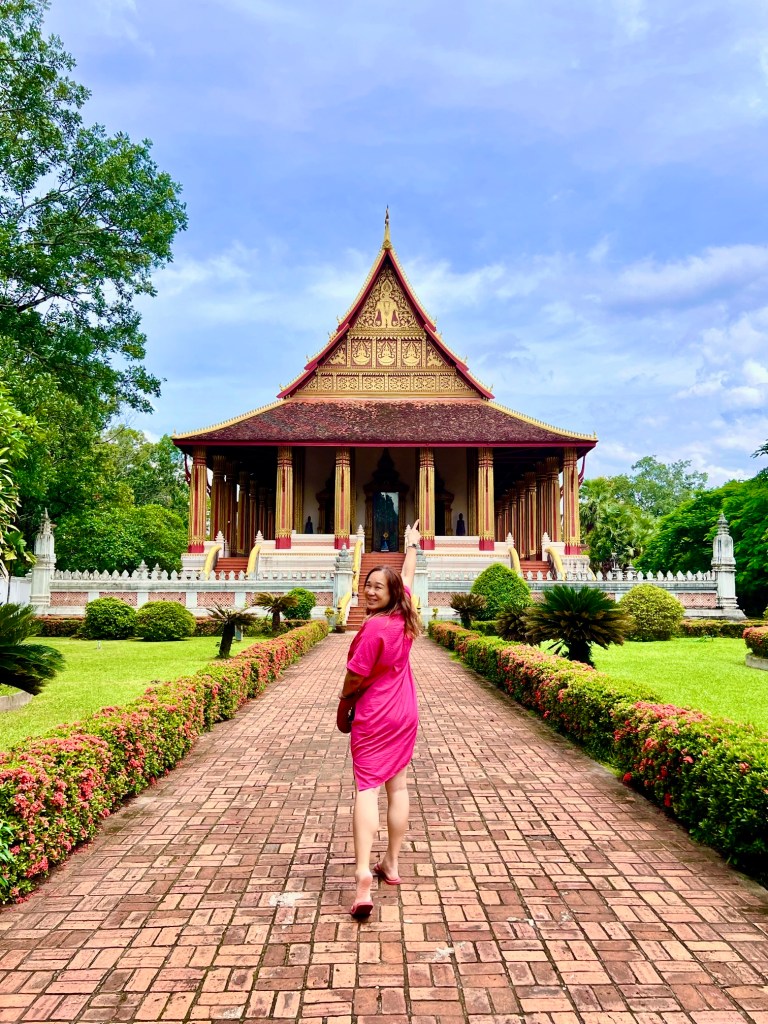
The temple was built in 1565 when King Setthathirath moved Laos’s capital from Luang Prabang to Vientiane. Haw Phra Kaew temple has functioned as a personal chapel for Laos Royals and to accommodate the famous Emerald Buddha statue, an important symbol of Buddhism.
This is the meditating Buddha statue seated in the lotus position which made of green jade stone, clothed in gold. In 1779, it was moved to enshrine in Wat Phra Kaew temple in Thailand by the Siamese.
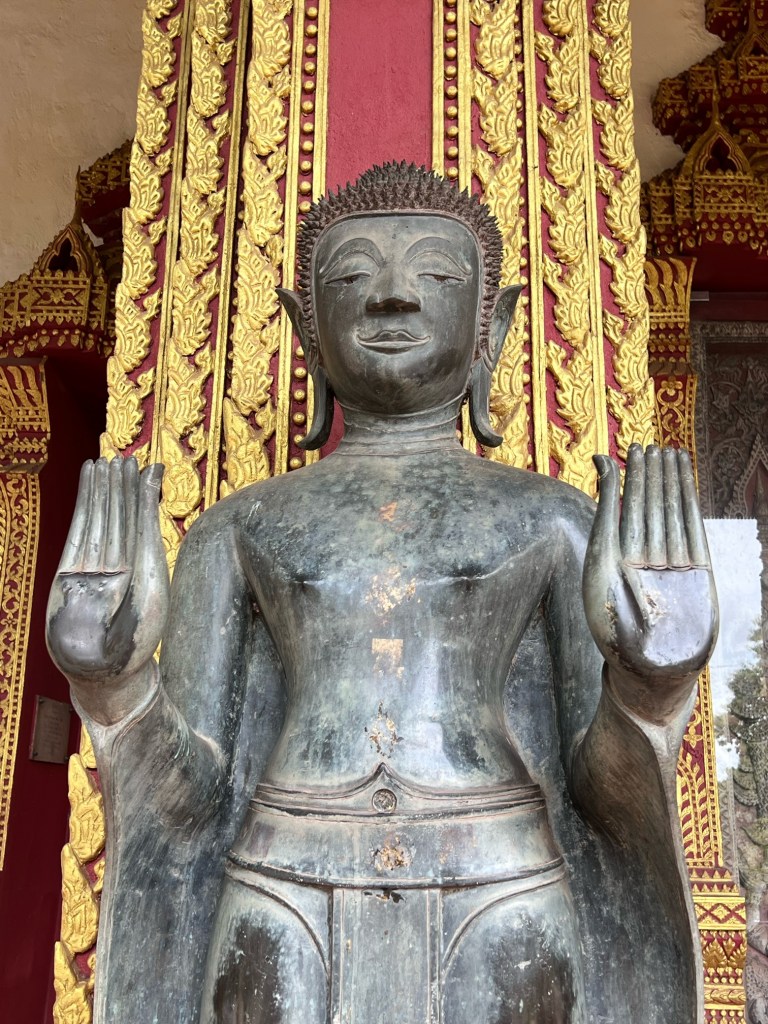
After that the Thai King, a Buddhist, remade an identical statue and returned it to Laos, to be replaced where the statue was taken. Through the war years, Wat Phra Kaew was destroyed and restored many times, now it is no longer used for Buddhist worship, it’s turned into a museum preserving precious artifacts such as Buddha statues, a gilded throne for the Emerald Buddha, inscribed Khmer stone steles, some wood sculptures or inscriptions carved in stone
The stairways to the temple’s entrances carry a mythological Naga snake sculptured in stone
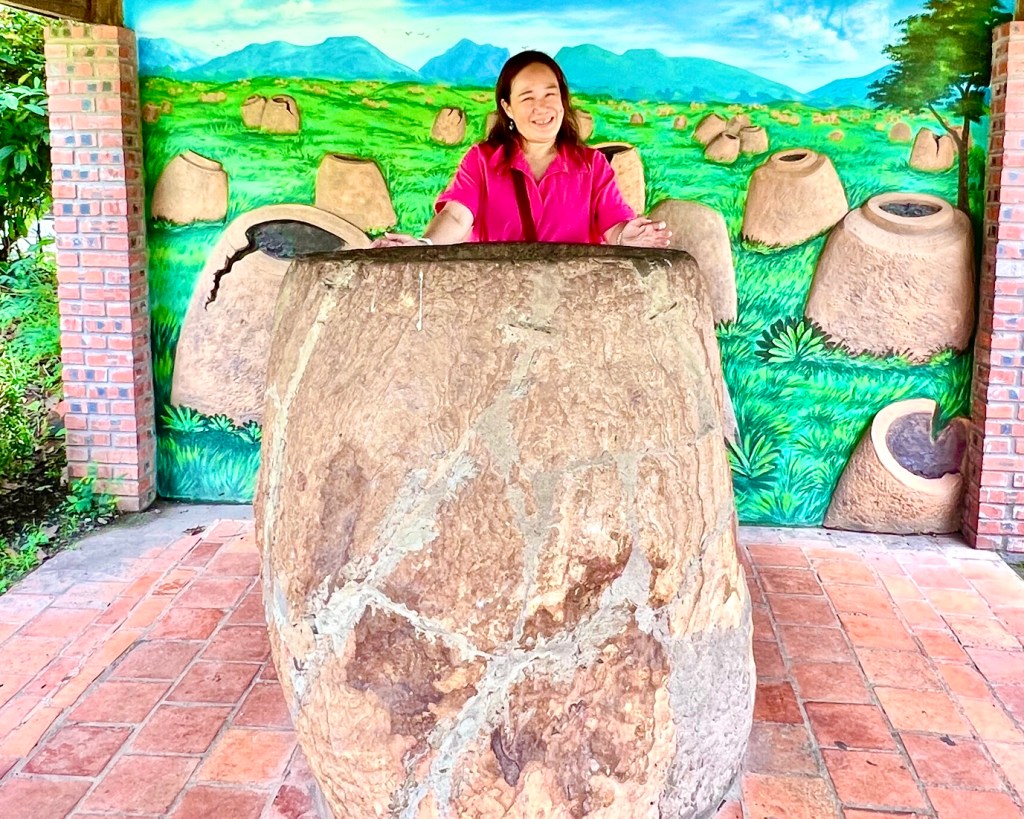
There is a large stone jar in the garden, which actually comes from Laos’ mysterious Plain of Jars.
Wat Si Saket
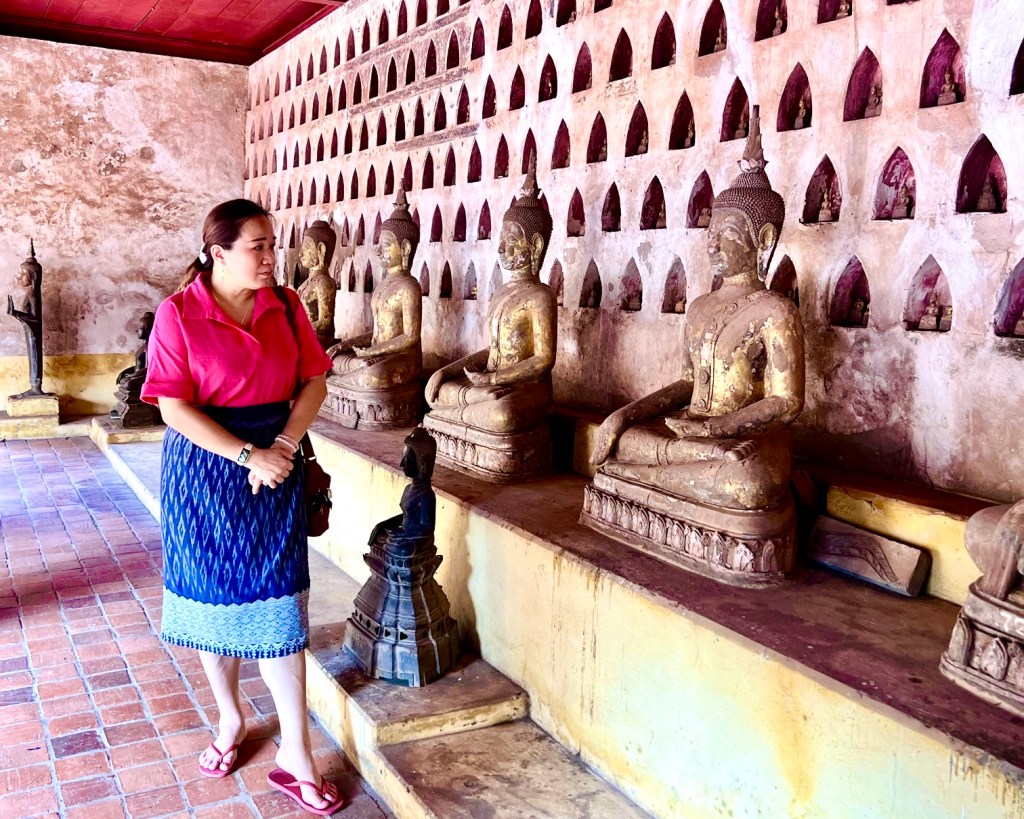
Wat Si Saket is the only temple in Laos that survived the Siamese occupation, which destroyed much of the capital in 1828, probably because it was a Siamese style temple which the siamese soldiers made their base camp… The complex’s architecture is built in the Siamese style rather than the traditional Lao style…
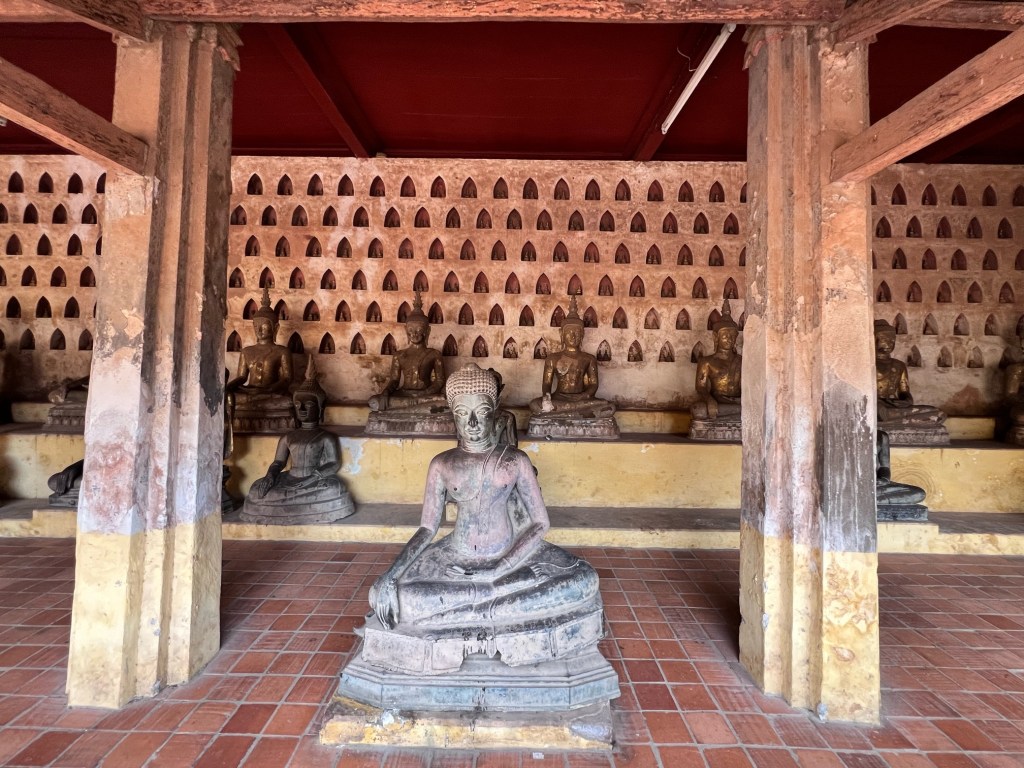
It features over 10,000 Buddha sculptures of varying sizes and styles. The temple also has beautiful architecture and layout, with a history that dates back to 1818.
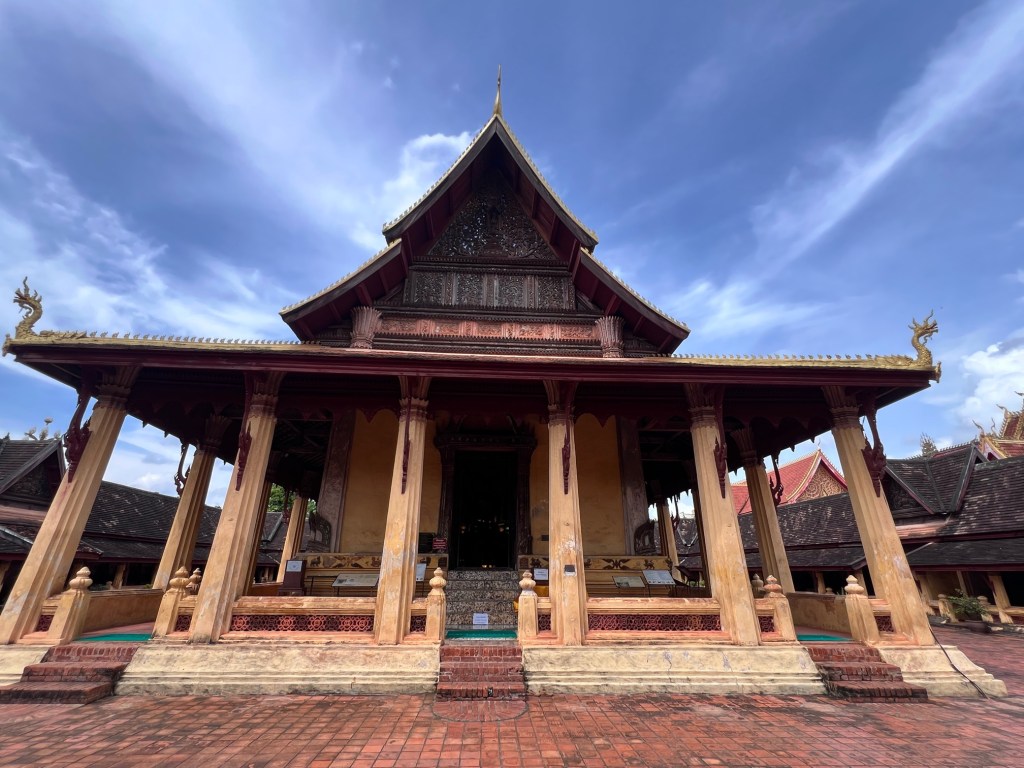
Must-sees include its ornate 5-tiered roof, a drum tower, a small library with a Burmese-style roof, and the floral ceiling of the sim (ordination hall). The hall holds 7,000 images made from wood, stone and bronze.
Thank you Tourism Authority Thailand for the opportunity given…


 Live Life Lah.......