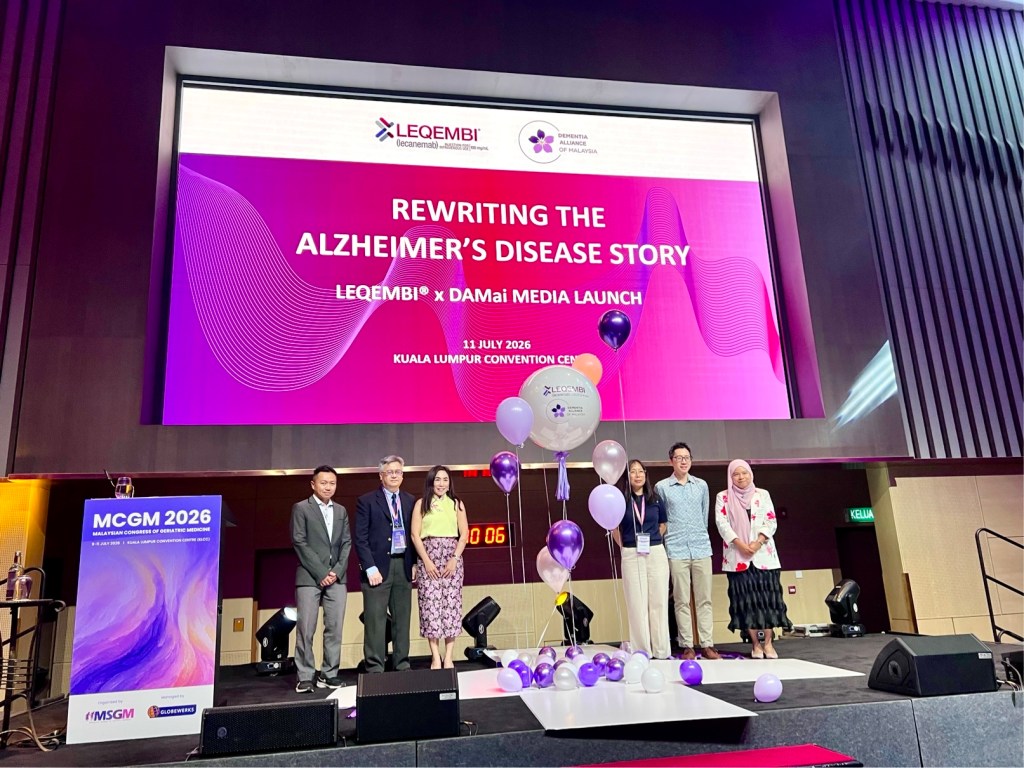
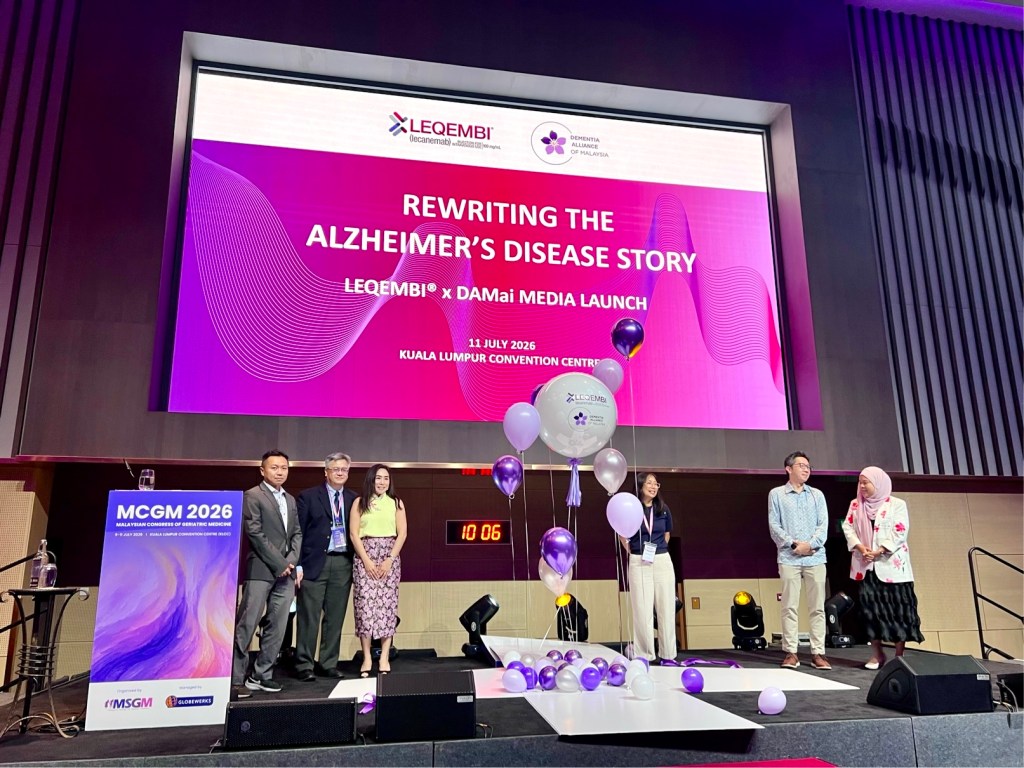
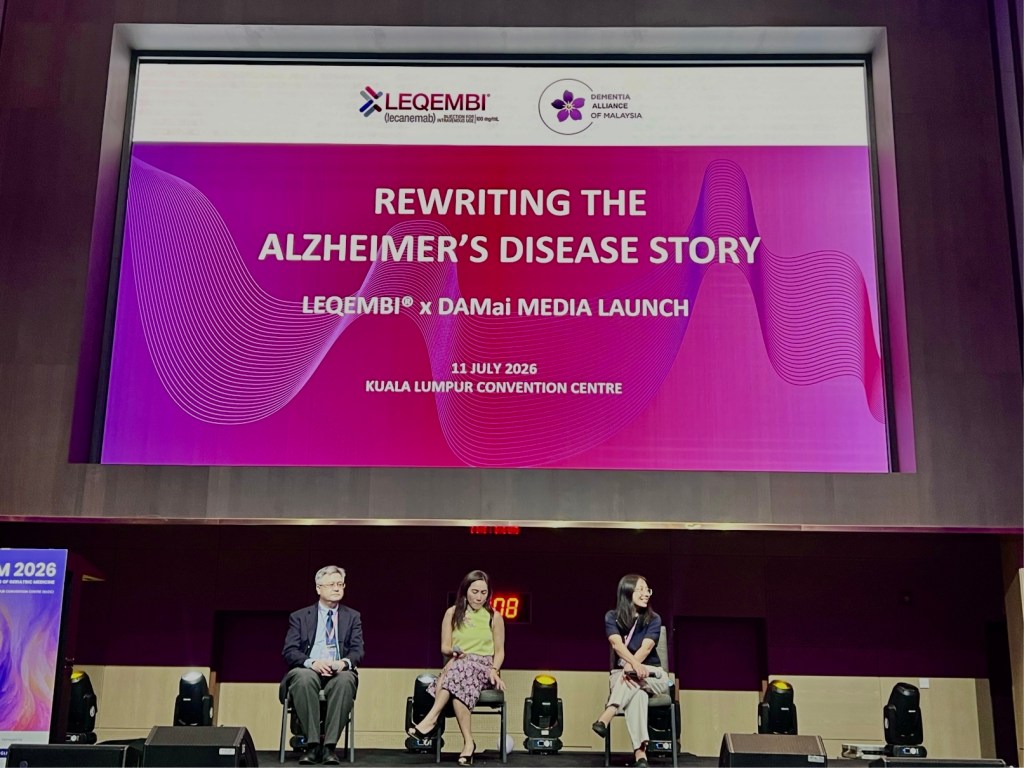
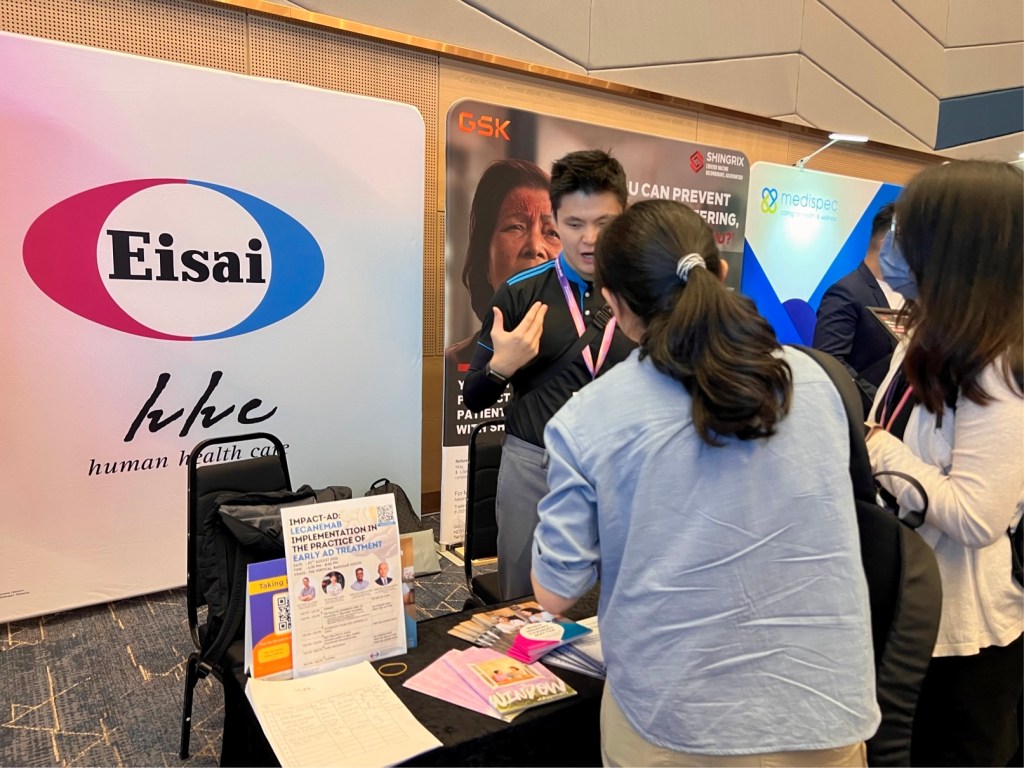
For the first time in Malaysia, patients living with early Alzheimer’s disease have access to a treatment that goes beyond managing symptoms. Eisai Malaysia has officially introduced LEQEMBI (lecanemab), the country’s first disease-modifying therapy (DMT) for Alzheimer’s disease, offering new hope by targeting the underlying cause of the condition rather than simply easing its symptoms.
This significant milestone represents a major advancement in dementia care and reinforces the importance of early diagnosis, timely intervention, and stronger collaboration across Malaysia’s healthcare ecosystem.
A Groundbreaking Advancement in Alzheimer’s Disease Care
For more than 30 years, available Alzheimer’s disease treatments have primarily focused on relieving symptoms such as memory loss and cognitive decline without addressing what causes the disease itself.
LEQEMBI changes that approach.
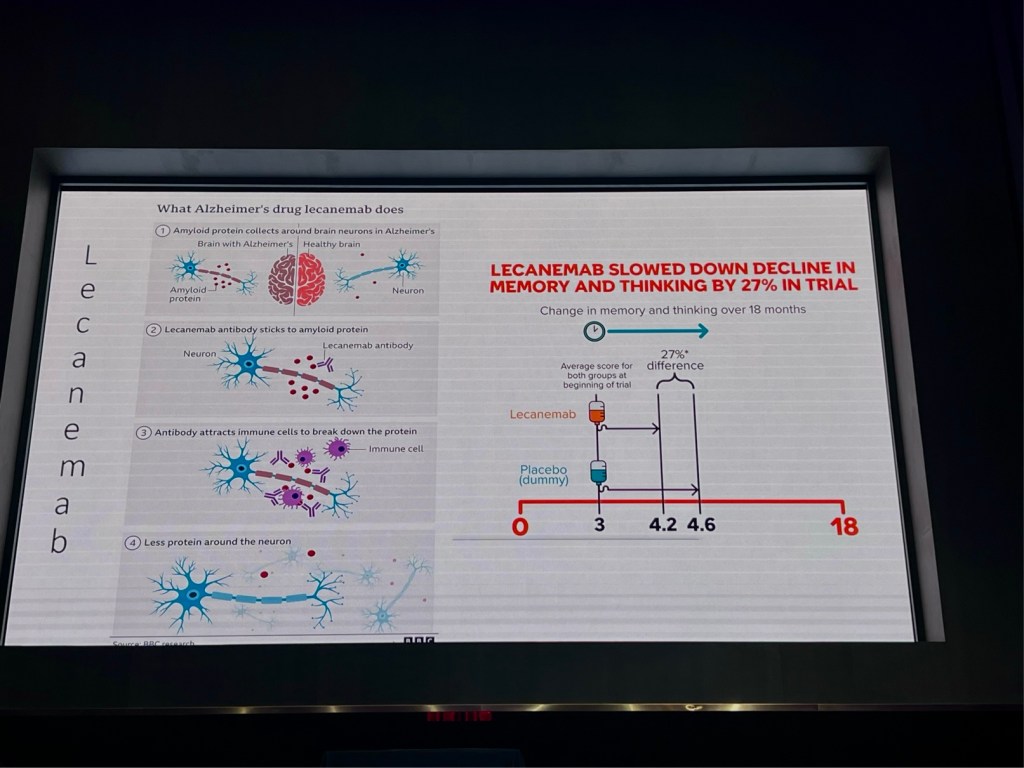
Developed by Eisai Co., Ltd., LEQEMBI is designed to target and remove amyloid-beta plaques, one of the defining biological hallmarks of Alzheimer’s disease. By reducing these abnormal protein deposits in the brain, the therapy has been shown to slow disease progression in patients with early symptomatic Alzheimer’s disease.
Approved by Malaysia’s National Pharmaceutical Regulatory Agency (NPRA) in January 2026, LEQEMBI offers patients the opportunity to preserve cognitive function for a longer period, helping them maintain their independence, quality of life, and the ability to continue enjoying everyday activities.
Moving Beyond Symptom Relief
Speaking during the official launch, Ms Kam Ai Teng, Managing Director of Eisai Malaysia, described the introduction of LEQEMBI as an important turning point in Alzheimer’s disease treatment.
“This marks a meaningful step forward for Alzheimer’s disease, where we move beyond symptom relief to actually slowing the disease progression itself.
This is especially important because Alzheimer’s disease begins long before visible symptoms appear. By the time many patients are diagnosed, significant changes have already occurred in the brain. Earlier identification now becomes even more critical in ensuring patients can benefit from medical advancements like this.”
Her remarks highlight a growing global emphasis on early detection, as Alzheimer’s disease often develops silently years before symptoms become noticeable.
Malaysia Faces a Growing Dementia Challenge
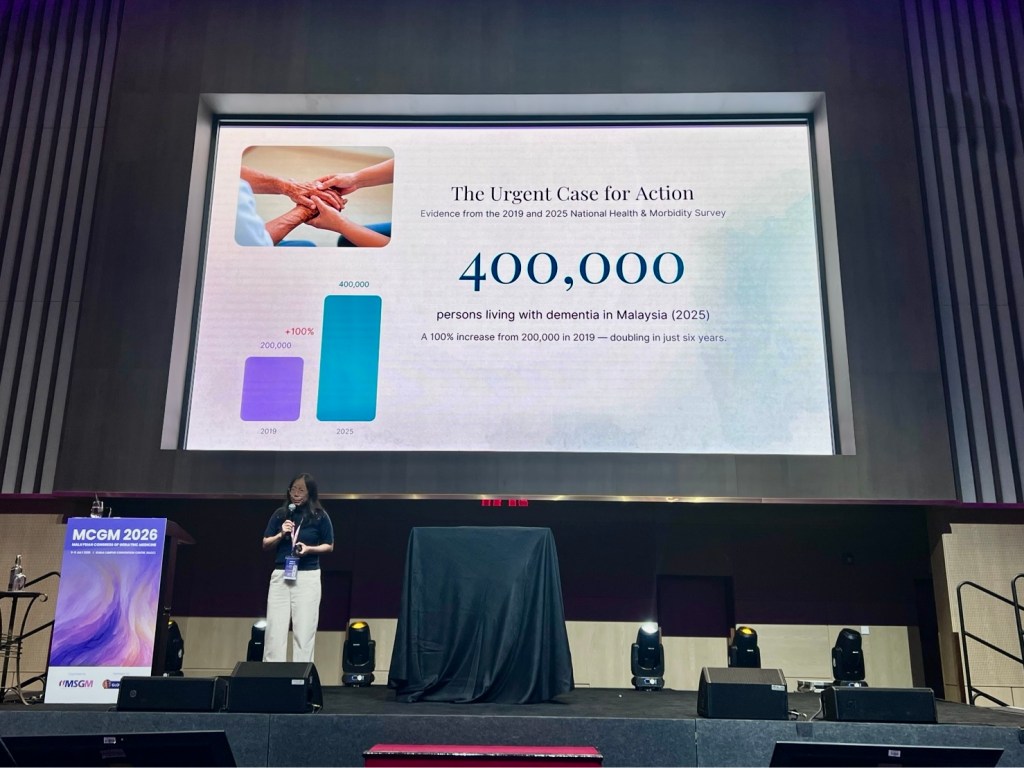
Malaysia is steadily becoming an ageing nation, bringing with it an increasing burden of dementia.
Current estimates project that the number of Malaysians living with dementia could reach 825,000 by 2050, representing an increase of more than 300% compared to current figures.
The economic impact is equally significant.
Dementia is estimated to cost Malaysia between RM7.9 billion and RM8.5 billion annually, accounting for almost 0.5% of the nation’s GDP when healthcare expenses, lost productivity, and unpaid caregiving are considered.
Beyond financial costs, Alzheimer’s disease places immense emotional, physical, and psychological demands on families. Many caregivers dedicate years of full-time care, often with limited support, making dementia not just a healthcare issue but an important social challenge.
The availability of therapies that can slow disease progression therefore carries meaningful implications not only for patients but also for caregivers, families, and the nation’s healthcare system.
Building a Stronger Dementia Care Ecosystem
Medical innovation alone cannot transform patient outcomes.
Malaysia has already taken important steps through the launch of the National Dementia Action Plan (NDAP) 2023–2030, introduced on 1 October 2024. The national strategy focuses on:
Earlier dementia screening and diagnosis
Reducing stigma surrounding dementia
Strengthening caregiver support
Improving access to dementia care
Enhancing public awareness
Supporting the implementation of the action plan is the Dementia Alliance Malaysia (DAMai), a nationwide collaboration involving healthcare professionals, non-governmental organisations, and various stakeholders working together to improve dementia care across the country.
DAMai focuses on increasing public awareness, strengthening early detection within primary healthcare, and providing education, training, and respite support for caregivers.
Collaboration Is Key to Better Patient Outcomes
According to Professor Tan Maw Pin, President of DAMai, scientific breakthroughs must be supported by a healthcare system that is ready to deliver them effectively.
“Medical innovation such as disease-modifying therapies represents real progress, but its impact depends on how prepared the healthcare ecosystem is to support early detection, diagnosis, and ongoing patient care. Collaboration across stakeholders will be essential to ensure patients and families can navigate the Alzheimer’s journey more effectively.”
His remarks reinforce the importance of coordinated efforts between healthcare providers, policymakers, researchers, caregivers, and advocacy organisations to maximise the benefits of new treatment options.
Eisai Malaysia’s Commitment to Patients
For Eisai, the launch of LEQEMBI reflects decades of scientific research dedicated to Alzheimer’s disease.
Ms Kam reiterated that innovation extends beyond developing medicines.
“Eisai has been at the forefront of Alzheimer’s disease research for decades, and LEQEMBI is the result of that sustained scientific dedication. But innovation alone is not enough—real impact comes from building the ecosystem around it.
Through our ongoing partnership with DAMai and engagement with healthcare professionals, caregivers, and policymakers, we are committed to ensuring that this breakthrough reaches the patients who need it most, and that Malaysia is equipped to meet the growing challenges of dementia care.”
This long-term commitment reflects Eisai Malaysia’s broader mission of advancing patient wellbeing while supporting a more comprehensive and sustainable approach to dementia care nationwide.
A New Chapter for Alzheimer’s Disease in Malaysia
The introduction of LEQEMBI marks a significant milestone in Malaysia’s healthcare landscape. As the country’s first disease-modifying therapy for Alzheimer’s disease, it offers a new approach that targets the disease itself rather than only managing symptoms.
While early diagnosis remains essential, advances such as LEQEMBI, combined with national initiatives like the National Dementia Action Plan and collaborative efforts through DAMai, represent encouraging progress toward improving the lives of patients, supporting caregivers, and strengthening Malaysia’s preparedness for the growing impact of dementia.
For more information about Eisai Malaysia and its commitment to advancing healthcare and patient wellbeing, visit https://eisaimal.com.my/.