Malaysia’s food and agricultural industry is getting a taste of Shandong, China, as the “Remarkable Shandong” Agricultural Trade (Malaysia) Expo 2026 officially opens at the Kuala Lumpur Convention Centre (KLCC)!
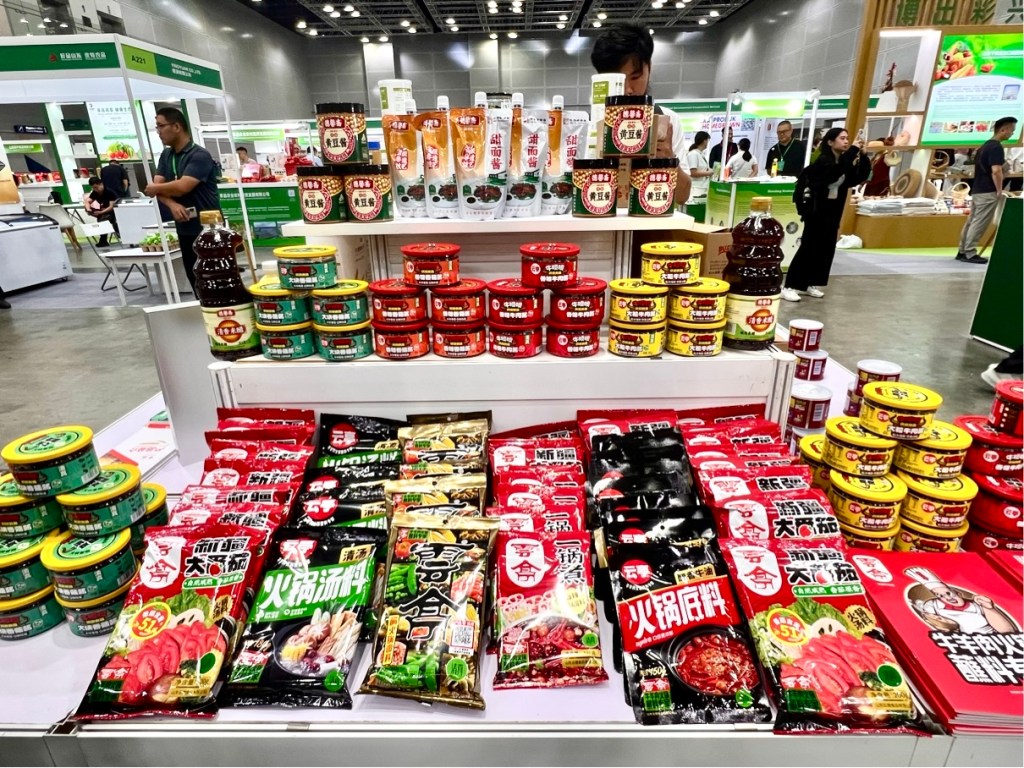
Returning to Malaysia for its second edition, the three-day expo brings together nearly 100 companies from six cities across Shandong, showcasing more than 1,100 agricultural and food products while creating new opportunities for trade, business matching and cross-border partnerships.
This year, the expo places a stronger emphasis on halal standards, market access and supply chain cooperation, connecting Shandong producers with Malaysian buyers and distribution networks, with the wider ASEAN market also in focus.
A Grand Opening Bringing Malaysia and Shandong Together
The opening ceremony welcomed representatives from Shandong, Malaysian government agencies, business chambers, buyers, exhibitors and the media.
Among the distinguished guests were Dato’ Dr Fathul Bari bin Mat Jahya, Chairman of UiTM Holdings Sdn Bhd; YB Tan Kok Wai, Former Special Envoy of the Prime Minister of Malaysia to China and Former Chairman of the Malaysia-China Business Council; Dato’ See Meng Geok, Vice President of the Malaysia-China Chamber of Commerce (MCCC); and Duan Youchen, Deputy Secretary of the Party Committee and Vice Chairman of Shandong Agricultural Group Co., Ltd.
The guests jointly launched the expo, officially marking the opening of its second Malaysian edition.
Shandong’s Agricultural Strength Meets ASEAN Opportunities
Did you know that Shandong is one of China’s major agricultural provinces, with a comprehensive agricultural ecosystem covering farming, livestock, food processing, cold-chain logistics and agricultural equipment?
In 2025, the province recorded a total output value of more than RMB1.3 trillion across agriculture, forestry, animal husbandry and fisheries. Its agricultural exports reached RMB166.83 billion, increasing 1.2% year-on-year.
Even more impressive, Shandong has ranked first in China for agricultural exports for 26 consecutive years, accounting for 22.4% of the country’s total agricultural exports.
The first edition of the expo in 2025 brought together 69 companies from 16 cities across Shandong, showcasing more than 800 products. It attracted nearly 230 government, business and trade association representatives from Malaysia and China, generating more than RMB100 million in potential transactions, alongside strategic agreements, orders and longer-term supply arrangements.
Building on that momentum, this year’s expo has expanded its scale and product offerings, with cross-border B2B business matching, new product launches, product showcases and halal industry engagement designed to help businesses establish sustainable trade and distribution partnerships.
Halal Cooperation Takes Centre Stage
One of the key highlights of this year’s expo is its focus on halal cooperation and helping Shandong businesses better understand the Malaysian market.
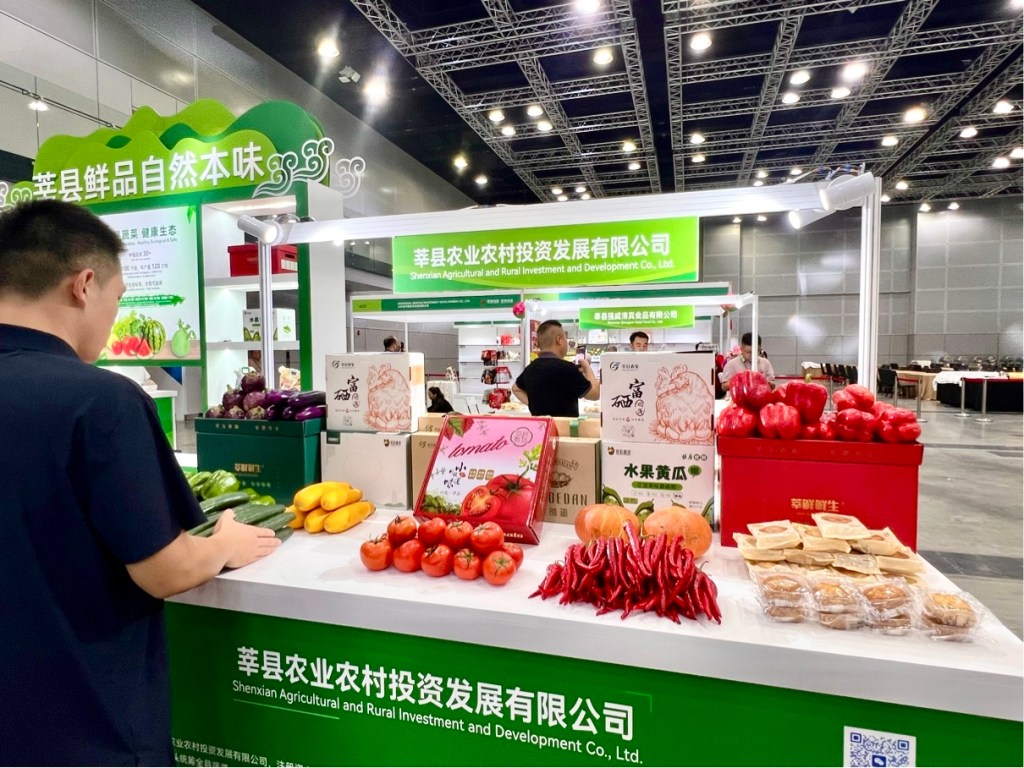
Malaysia has a well-established halal ecosystem covering certification, production, logistics and market development. According to the Halal Development Corporation Berhad (HDC), Malaysia’s halal exports reached RM68.52 billion in 2025, representing a 10.9% increase year-on-year.
For Shandong companies looking to enter Malaysia and reach Muslim consumers across ASEAN, halal compliance involves much more than simply putting a halal label on a product.
Businesses need to understand the entire process, from ingredient sourcing and production to traceability, warehousing, logistics and certification requirements.
Speaking at the event, Duan Youchen highlighted Malaysia’s role as an important economic and trade partner for Shandong in ASEAN, as well as a gateway to the wider ASEAN and global halal markets.
He shared that the expo aims to establish three key platforms: two-way trade in quality agricultural products, collaboration across the agricultural value chain, and international promotion of agricultural brands.
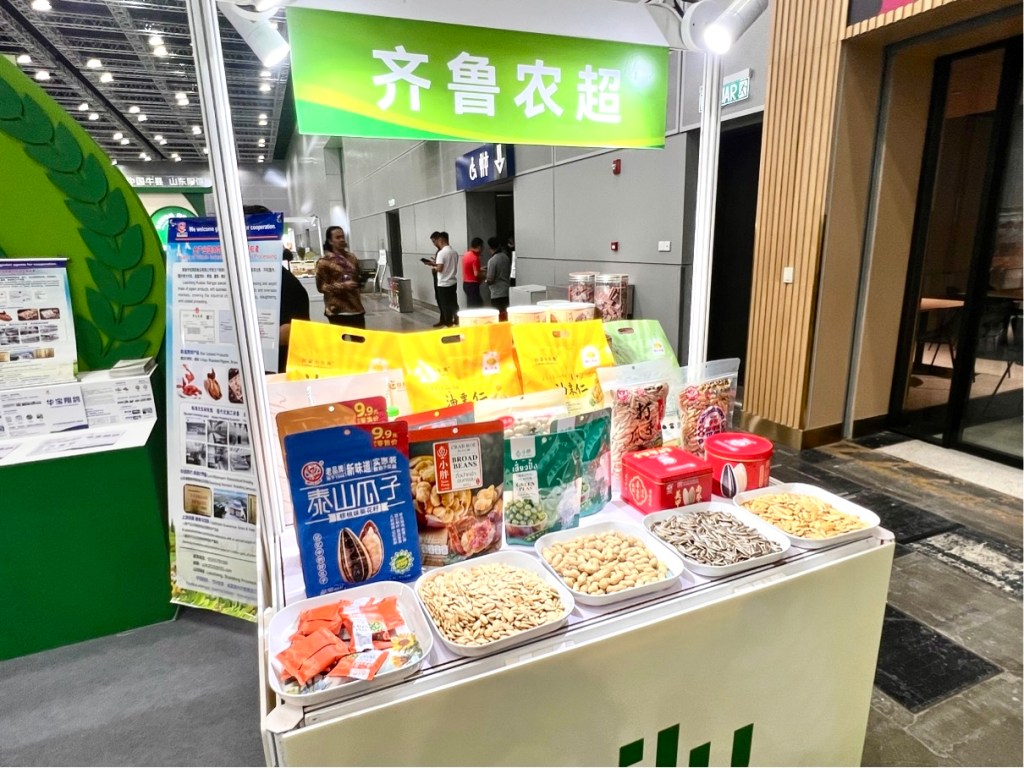
By leveraging Malaysia’s established halal certification ecosystem, the initiative hopes to help more quality Shandong agricultural products reach ASEAN and international markets while expanding cooperation across the agricultural industry.
Dato’ Dr Fathul Bari bin Mat Jahya also highlighted the importance of market readiness, noting that quality products are only the first step towards entering a new market.
Appropriate packaging and labelling, consistent product quality and supply, and reliable local partners are equally important in building long-term business relationships.
He also welcomed the five strategic cooperation agreements expected to be facilitated through the expo, covering agricultural trade, agri-food products, beef, the halal industry, and trade and investment promotion.
Meanwhile, YB Tan Kok Wai emphasised the economic and strategic significance of Malaysia-China agricultural cooperation, highlighting opportunities to combine China’s experience in modern agricultural technology, food processing, cold-chain logistics and agricultural machinery with Malaysia’s market connectivity.
Dato’ See Meng Geok shared that the Malaysia-China Chamber of Commerce would continue to serve as a bridge between businesses, helping turn industry engagement into tangible partnerships and exploring opportunities across ASEAN, the Middle East and international markets.
Understanding Malaysia’s Halal Certification Framework
According to the latest list published by the Department of Islamic Development Malaysia (JAKIM), 96 foreign halal certification bodies across 49 countries and regions are currently recognised.
Six are located in China, including the Shandong Halal Certification Service (SHC) in Jinan, providing Shandong businesses with a reference point for understanding Malaysia’s halal certification framework.
It is important to note that the halal certification status of individual products exhibited at the expo remains subject to valid documentation issued by the respective companies and relevant certification bodies.
A Diverse Showcase of Shandong’s Agricultural Products
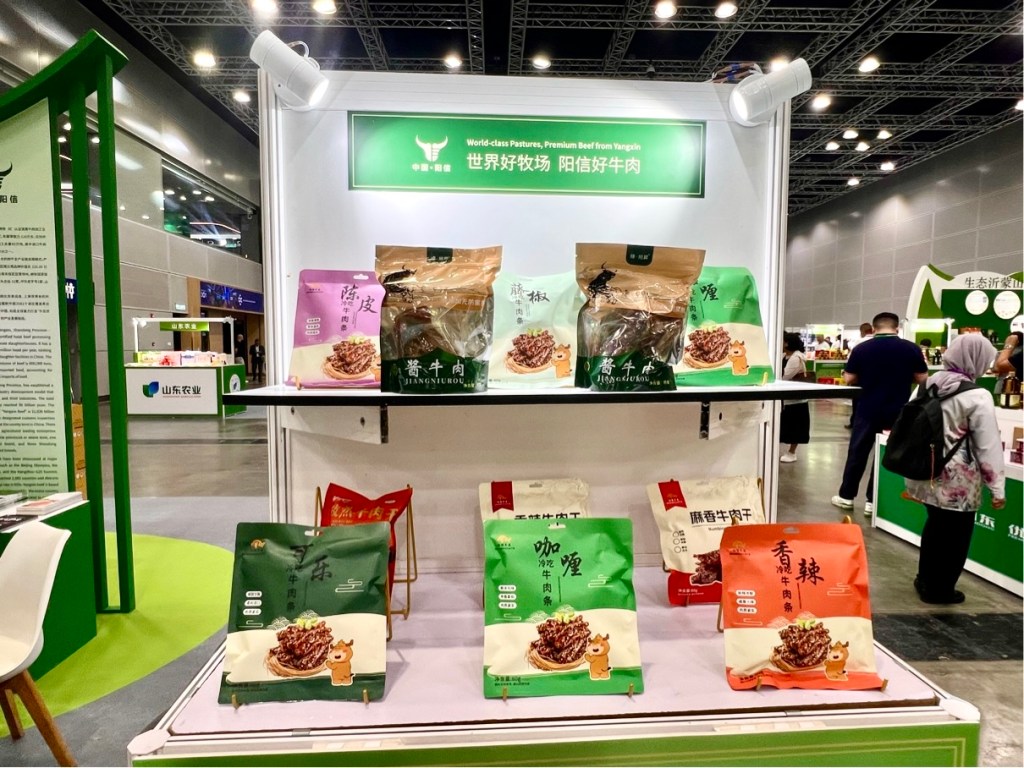
Walking through the expo, visitors and trade buyers can discover the diversity of Shandong’s agricultural industries and regional specialities.
The product showcase covers a wide range of categories, including:
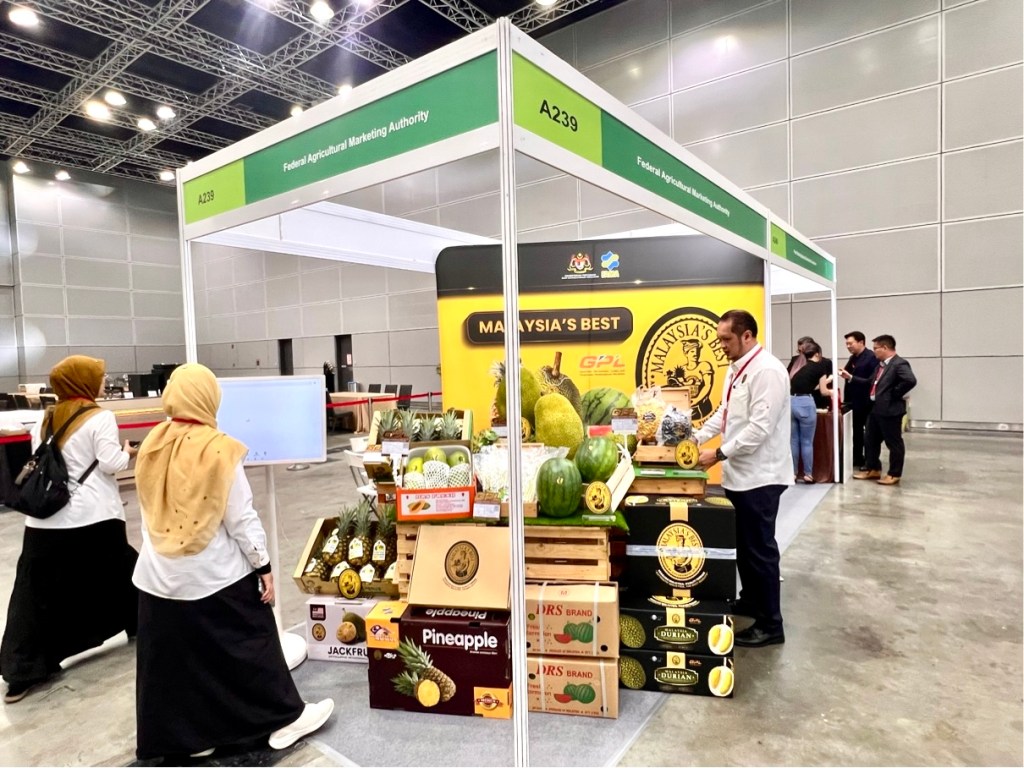
- Fresh fruits and vegetables
- Grains and dry goods
- Prepared foods and agri-food products
- Meat and seafood
- Food ingredients and condiments
- Tea and beverages
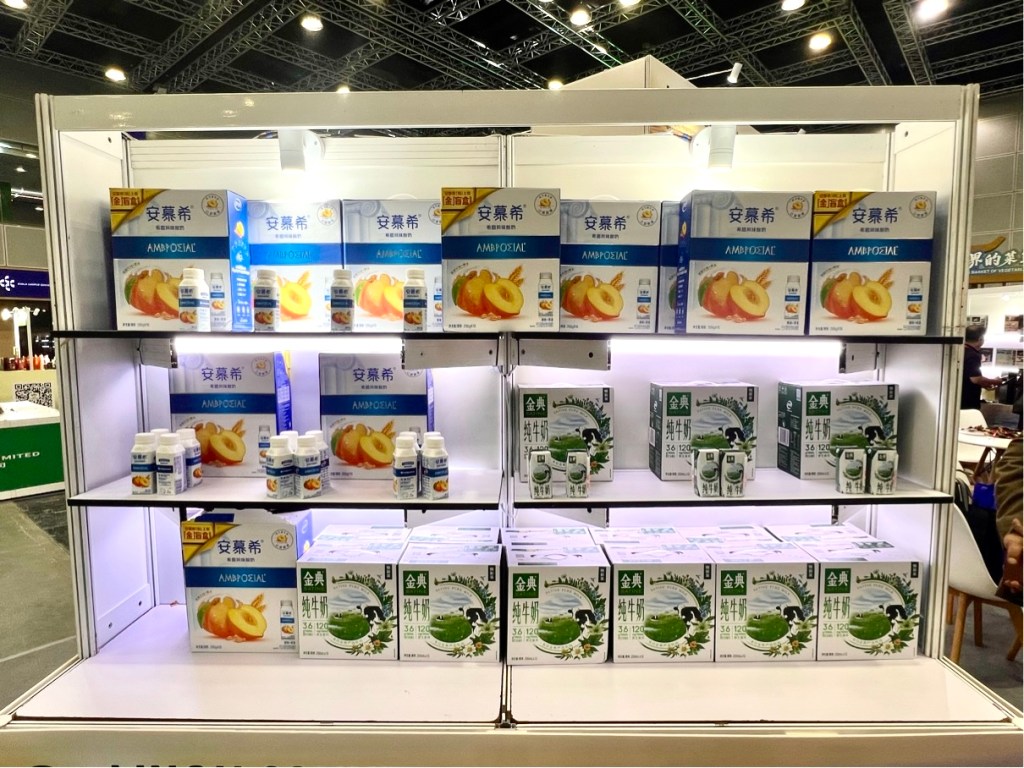
- Dairy products
With more than 1,100 products on display, the expo provides an opportunity for Malaysian businesses to explore new product offerings, identify potential suppliers and discover opportunities for future cooperation.
Five Malaysian organisations, including Halal Development Corporation Berhad (HDC), are also participating in the exhibition, strengthening local industry involvement and creating more opportunities for engagement between Shandong companies and Malaysian partners.
Five Strategic Cooperation Agreements Signed
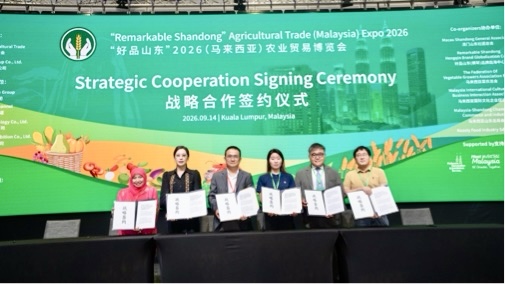
Beyond product showcases and business networking, the expo also marked an important step towards strengthening trade relations through the signing of five strategic cooperation agreements between Shandong companies and Malaysian and regional partners.
The agreements involve:
- Nozoly Food Industry Sdn. Bhd. and Shandong Agricultural Group Co., Ltd.
- Latam Singapore Pte Ltd and Shandong Going Global Guangdong Henqin Supply Chain Co., Ltd.
- Nozoly Food Industry Sdn. Bhd. and Niuzhigu Holdings (Yangxin) Co., Ltd.
- Metrobiz Marketing Sdn. Bhd. and Shandong Meijia Group Co., Ltd.
- Binzhou Zhongyu Food Co., Ltd. and Macau Zishen Group Limited
Covering agricultural trade, agri-food, beef and halal industries, as well as trade and investment promotion, the agreements aim to connect Shandong’s production and supply chain resources with commercial networks in Malaysia and the wider region.
These partnerships lay the groundwork for product procurement, market expansion, distribution development and longer-term supply chain cooperation.
The signing ceremony reflects the expo’s broader ambition to move beyond showcasing products and create tangible opportunities for deeper agricultural and food industry collaboration between Malaysia and Shandong.
Promoting Shandong’s Regional Agricultural Specialities
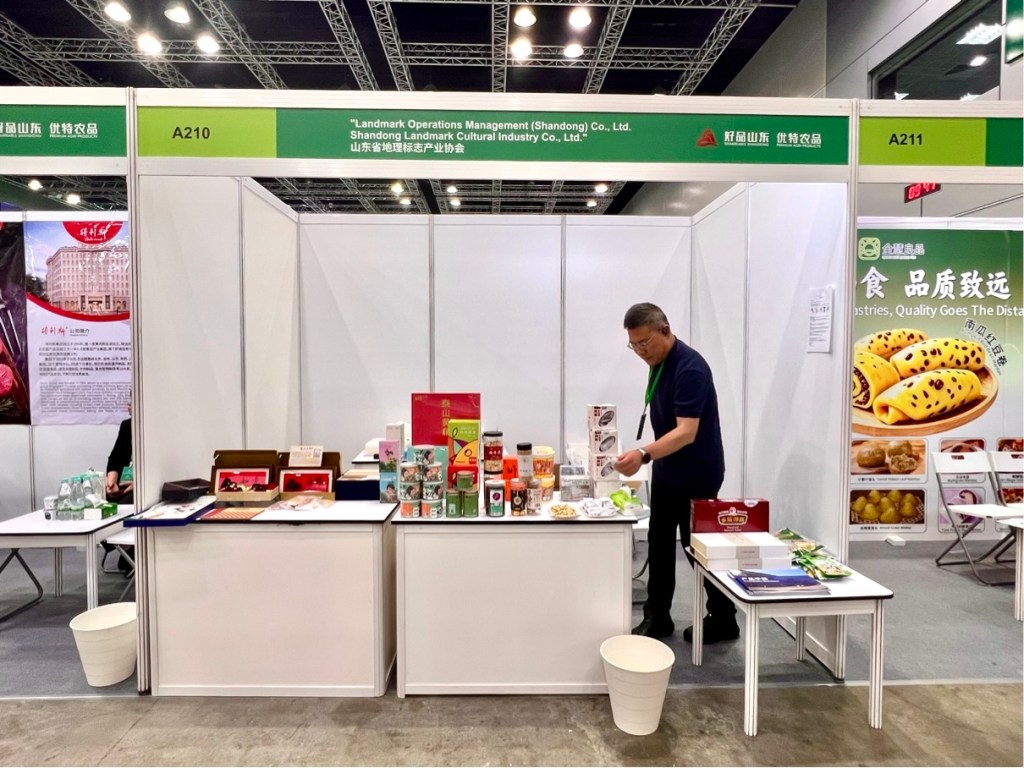
Following the opening ceremony, the “Remarkable Shandong” Premium Agri-Products Promotion in Malaysia Conference featured remarks by Bi Haixin, Level-II Bureau Level Official of the Shandong Provincial Department of Agriculture and Rural Affairs.
Key presentations were also delivered by Su Kewei, Vice General Manager of Qilu Evening News · Qilu Yidian and Person in Charge of Shandong Qilu Nongchao Technology Co., Ltd.; and Liu Ting, Minister of the Market Department of Shandong Agricultural Group Agricultural Products Supply Chain Co., Ltd.
Representatives from Linyi City, Shen County, Yangxin County, Boxing County, Anqiu City and Linqu County also introduced their respective agricultural strengths, signature products and potential areas for cooperation.
The presentations provided further insights into the agricultural resources and regional specialities available across Shandong, while highlighting opportunities for Malaysian businesses to explore new partnerships.
Strengthening Malaysia-China Agricultural Cooperation
The “Remarkable Shandong” Agricultural Trade (Malaysia) Expo 2026 brings together agricultural producers, businesses, industry representatives and potential partners under one roof, creating opportunities to explore new products and strengthen cross-border trade relationships.
With its expanded product showcase, greater focus on halal market access and five strategic cooperation agreements, this year’s expo highlights the growing scope of agricultural collaboration between Shandong and Malaysia.
For Malaysian businesses, it is an opportunity to discover new agricultural products and potential suppliers. For Shandong companies, Malaysia offers a platform to explore ASEAN markets and develop international partnerships.
The three-day expo is another step towards building stronger connections between the agricultural industries of Malaysia and China, with the potential to create long-term opportunities across trade, food production and supply chain cooperation.


 Live Life Lah.......